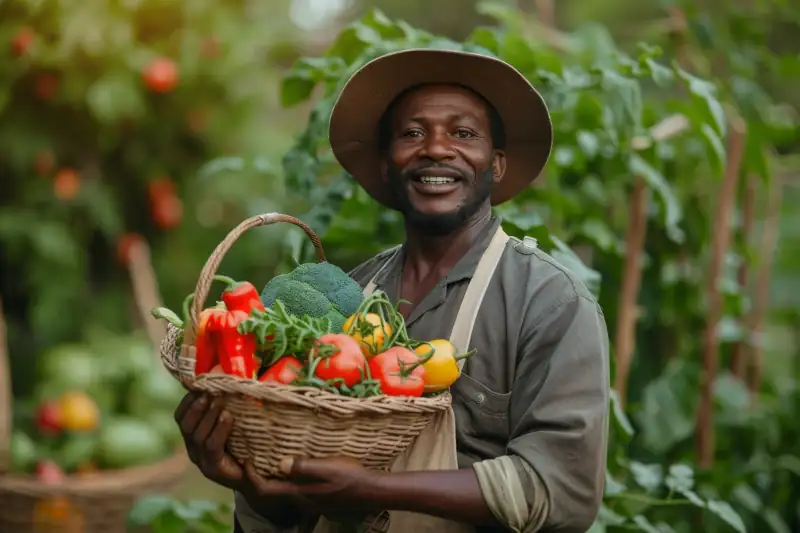
The United States agricultural sector represents one of the most vital industries in the American economy, generating billions of dollars annually while feeding millions of people across the nation and beyond. For international workers seeking employment opportunities in America, agricultural jobs offer a legitimate pathway through various seasonal visa programs designed specifically to meet the labor demands of farms across the country.
Agricultural employment in the United States encompasses far more than many people realize, spanning from large-scale crop production facilities to specialized organic farms, livestock operations, and seasonal harvest activities. The demand for skilled and dedicated farm workers continues to grow, creating substantial opportunities for both domestic and international workers willing to engage in this essential industry.
Understanding the landscape of farm worker employment requires examining not only the job opportunities themselves but also the complex visa systems, seasonal patterns, regional variations, and long-term career prospects that define this sector. This comprehensive exploration will provide valuable insights into how seasonal visa programs facilitate agricultural employment while addressing the practical realities of working in American agriculture.
Understanding Agricultural Labor Demand in America
The American agricultural industry faces persistent labor shortages that have intensified over recent decades. According to industry reports, farms across the United States struggle to find sufficient workers during critical planting and harvesting seasons, creating opportunities for thousands of seasonal workers each year. These shortages occur despite offering competitive wages and benefits packages that often exceed minimum wage requirements in many states.
Regional agricultural centers from California’s Central Valley to Florida’s citrus groves require massive influxes of temporary workers during specific seasons. The cyclical nature of agricultural production means that labor demands fluctuate dramatically throughout the year, with peak seasons requiring workers to handle time-sensitive operations like fruit harvesting, vegetable picking, and crop maintenance activities that cannot be delayed without significant financial losses.
Modern farming operations have evolved beyond traditional stereotypes, incorporating advanced technology, sustainable practices, and specialized techniques that require trained workers capable of operating sophisticated equipment. Today’s agricultural workers often utilize GPS-guided machinery, computerized irrigation systems, and precision agriculture tools that demand technical skills alongside physical capabilities.
The economic impact of agricultural labor extends far beyond individual farms, supporting entire rural communities through direct employment, secondary business opportunities, and tax revenue generation. Small towns throughout agricultural regions depend heavily on seasonal worker populations who contribute to local economies through housing rentals, grocery purchases, transportation services, and other essential spending activities.
Comprehensive Overview of H-2A Seasonal Worker Programs
The H-2A visa program represents the primary legal mechanism for bringing temporary agricultural workers into the United States when American workers are not available to fill these positions. This program operates under strict federal regulations designed to protect both domestic and international workers while ensuring agricultural operations can access necessary labor resources during critical periods.
Employers seeking to participate in H-2A programs must demonstrate genuine attempts to recruit domestic workers through advertising in newspapers, job centers, and agricultural publications before petitioning for international workers. This requirement ensures that American workers receive priority consideration while acknowledging the reality that many agricultural positions remain unfilled despite recruitment efforts.
The application process for H-2A visas involves multiple government agencies, including the Department of Labor, Department of Homeland Security, and State Department, each responsible for different aspects of worker certification, petition approval, and visa issuance. Employers must provide detailed job descriptions, wage information, housing accommodations, and transportation arrangements as part of their petitions.
Workers approved for H-2A visas can remain in the United States for up to ten months, with possibilities for extensions under specific circumstances. The program allows workers to change employers within the agricultural sector under certain conditions, providing flexibility that benefits both workers and employers facing varying seasonal demands.
Housing requirements under H-2A programs mandate that employers provide free accommodations meeting specific safety and comfort standards established by federal regulations. These standards cover everything from sleeping arrangements and cooking facilities to bathroom access and recreational areas, ensuring that workers have adequate living conditions during their employment periods.
Transportation provisions require employers to either provide or reimburse costs associated with workers traveling to and from their home countries, as well as daily transportation between housing facilities and work locations. These requirements help ensure that workers are not burdened with excessive costs that could undermine their earning potential.
State-by-State Agricultural Employment Opportunities
California stands as the nation’s agricultural powerhouse, producing over one-third of America’s vegetables and two-thirds of its fruits and nuts. The state’s diverse agricultural sector creates year-round employment opportunities ranging from grape harvesting in Napa Valley to strawberry picking along the Central Coast, almond processing in the Central Valley, and citrus farming in Southern California regions.
Florida’s agricultural industry focuses heavily on citrus production, winter vegetables, and specialty crops that require intensive manual labor during specific seasons. The state’s warm climate allows for extended growing seasons and multiple harvests per year, creating sustained employment opportunities for seasonal workers throughout much of the year rather than limiting work to traditional summer months.
Texas agricultural operations span vast geographic areas encompassing cotton production, cattle ranching, fruit orchards, and vegetable farming. The state’s size and climatic diversity create opportunities for workers to potentially extend their employment periods by moving between different agricultural regions as seasons progress and crops mature at different times.
Washington State apple orchards, cherry farms, and hop production facilities require significant seasonal labor forces during harvest periods that typically occur from late summer through early fall. The state’s agricultural sector also includes wine grape production, wheat farming, and specialty crops that provide varied employment opportunities for workers with different skill sets and physical capabilities.
North Carolina tobacco farms, sweet potato operations, and Christmas tree farms offer unique seasonal employment opportunities that differ significantly from typical fruit and vegetable production. These specialized agricultural sectors often require workers to learn specific techniques and handling procedures that can enhance their value to employers and potentially lead to longer-term employment relationships.
Georgia peach orchards, onion farms, and poultry operations create diverse employment opportunities throughout different seasons. The state’s agricultural calendar allows workers to potentially engage in multiple types of farming activities during extended stays, maximizing earning potential while gaining valuable experience across different agricultural sectors.
Seasonal Employment Patterns and Peak Hiring Periods
Spring agricultural activities typically begin in March and April across much of the United States, focusing on planting operations, field preparation, and early season crop maintenance. These activities require workers skilled in operating planting equipment, applying fertilizers and pesticides, irrigation system installation, and general farm maintenance tasks that prepare facilities for productive growing seasons.
Summer months represent peak employment periods for most agricultural operations, with activities including crop cultivation, pest management, irrigation monitoring, and early harvest activities for certain crops. Workers during these periods often work extended hours due to daylight availability and crop care requirements that must be completed within specific timeframes to ensure optimal yields.
Fall harvest seasons create the highest labor demands across most agricultural regions, requiring intensive manual labor to collect crops at peak ripeness. These periods often involve long working days, physical demanding tasks, and time-sensitive operations where weather conditions can significantly impact both work schedules and earning opportunities for seasonal workers.
Winter agricultural activities vary significantly by geographic region, with southern states continuing production of winter vegetables while northern agricultural areas focus on equipment maintenance, facility repairs, and preparation activities for upcoming growing seasons. Some workers utilize winter periods to return home or seek employment in different industries before returning for subsequent agricultural seasons.
Planning seasonal employment requires understanding not only when different crops are planted and harvested but also how weather patterns, market conditions, and technological changes affect labor demands throughout the year. Successful seasonal workers often develop relationships with multiple employers to create continuous employment opportunities across different agricultural sectors and geographic regions.
Required Skills and Qualifications for Agricultural Employment
Physical fitness represents a fundamental requirement for most agricultural positions, as workers typically spend long hours performing manual labor in varying weather conditions. However, physical strength alone is insufficient for success in modern agricultural operations that increasingly require workers to demonstrate reliability, attention to detail, and ability to follow complex safety procedures.
Technical skills have become increasingly important in contemporary agriculture, with many operations requiring workers to operate computerized equipment, monitor automated systems, and utilize mobile applications for tracking production data. Workers who invest time in developing these technical capabilities often find themselves in higher demand and eligible for better-paying positions within agricultural operations.
Language skills, particularly English proficiency, can significantly enhance employment opportunities and advancement potential within agricultural operations. While many employers accommodate workers with limited English skills, those who can communicate effectively often receive priority consideration for supervisory roles, equipment operation positions, and year-round employment opportunities.
Previous agricultural experience, while valuable, is not always necessary for entry-level positions. Many employers provide on-the-job training for motivated workers willing to learn proper techniques, safety procedures, and quality standards specific to their operations. However, workers with demonstrated experience in similar agricultural activities often command higher wages and receive preference during hiring processes.
Safety certification and training completion can distinguish workers from other applicants while ensuring compliance with increasingly strict workplace safety regulations. Many agricultural operations now require or prefer workers who have completed safety training programs covering topics like pesticide handling, equipment operation, and emergency response procedures.
Wage Structures and Compensation Packages in Agriculture
Agricultural wages vary significantly based on geographic location, crop type, skill requirements, and seasonal demand patterns. The federal government establishes minimum wage rates for H-2A workers that often exceed state minimum wage requirements, ensuring that seasonal workers receive competitive compensation for their labor contributions to American agricultural operations.
Piece rate compensation systems remain common in many agricultural sectors, particularly those involving fruit and vegetable harvesting where worker productivity can be directly measured. These systems allow motivated and efficient workers to earn significantly more than hourly wage minimums by maximizing their daily production output through skill development and sustained effort.
Overtime compensation requirements apply to most agricultural workers, though specific regulations vary by state and operation size. Many seasonal workers regularly earn overtime wages during peak seasons when extended working hours are necessary to complete time-sensitive agricultural operations before weather conditions or crop maturity issues affect product quality.
Additional compensation benefits may include housing allowances, meal provisions, transportation reimbursements, and performance bonuses that can substantially increase total earnings beyond base wage rates. Some employers also provide health insurance coverage, paid time off, and end-of-season bonuses for workers who complete their contracted employment periods satisfactorily.
Understanding wage calculation methods is crucial for workers to accurately assess potential earnings and make informed decisions about employment opportunities. This includes comprehending how piece rates are determined, when overtime applies, what deductions are permissible, and how additional benefits contribute to total compensation packages.
Housing and Living Arrangements for Seasonal Workers
Federal regulations governing H-2A worker housing establish comprehensive standards covering everything from sleeping space allocation and bathroom facilities to cooking areas and recreational spaces. These standards ensure that workers have access to safe, sanitary, and comfortable living conditions throughout their employment periods, though actual accommodations can vary significantly between different employers and geographic regions.
Shared housing arrangements are typical for seasonal agricultural workers, with dormitory-style facilities or multi-bedroom houses accommodating multiple workers. These arrangements help minimize housing costs for employers while providing workers with social interaction opportunities and shared living experiences that can enhance their overall experience working in American agriculture.
Privacy considerations and cultural accommodations are increasingly important factors in housing arrangements, with progressive employers recognizing the importance of providing spaces where workers can maintain personal practices, communicate with family members, and enjoy recreational activities during non-working hours. Some facilities now include private rooms, internet access, and entertainment areas designed to improve worker satisfaction and retention.
Housing location relative to work sites significantly impacts daily routines and transportation requirements for seasonal workers. Employers may provide housing directly on farm properties, in nearby rural communities, or in larger towns that offer additional amenities and services. Each arrangement presents different advantages and challenges that workers should consider when evaluating employment opportunities.
Maintenance and upkeep responsibilities for worker housing typically fall to employers, though workers are generally expected to maintain cleanliness and respect property conditions. Clear agreements regarding housing rules, maintenance procedures, and damage responsibilities help prevent conflicts and ensure positive living experiences for all residents.
Transportation and Logistics for International Workers
International transportation arrangements for H-2A workers involve complex coordination between employers, government agencies, and transportation providers to ensure workers can travel safely and efficiently between their home countries and American work sites. These arrangements typically include air transportation, ground transport, and documentation processing that must be completed before workers can begin employment.
Daily transportation between housing facilities and work locations represents a significant logistical consideration that affects worker quality of life and employment satisfaction. Some employers provide dedicated transportation vehicles and drivers, while others reimburse workers for transportation costs or arrange carpooling systems that help reduce individual transportation burdens.
Documentation requirements for international workers include not only visa paperwork but also identification documents, health certifications, and employment authorization materials that must be maintained throughout their stay in the United States. Workers must understand their responsibilities regarding document maintenance and renewal procedures that may be required for extended employment periods.
Emergency transportation provisions become crucial considerations for workers who may experience health issues, family emergencies, or other situations requiring immediate travel arrangements. Understanding available resources and procedures for emergency transportation helps workers feel more secure and confident about accepting employment opportunities far from their home countries.
Regional transportation infrastructure varies significantly across different agricultural areas, affecting everything from airport access and public transportation availability to medical facility proximity and commercial services. Workers should research transportation resources available in their assigned work regions to better prepare for their employment experience.
Legal Rights and Worker Protections in Agricultural Employment
Federal labor laws provide comprehensive protections for agricultural workers, including minimum wage requirements, overtime compensation, workplace safety standards, and anti-discrimination provisions that apply regardless of worker citizenship status. Understanding these rights helps workers identify potential violations and seek appropriate remedies when necessary.
State-level worker protection laws often exceed federal minimum standards, providing additional rights and protections that vary significantly between different agricultural states. Workers should familiarize themselves with specific laws governing their work locations to fully understand their legal rights and available resources for addressing workplace issues.
Complaint and enforcement mechanisms exist through various government agencies that investigate workplace violations and enforce worker protection laws. These systems provide confidential reporting options and anti-retaliation protections that help ensure workers can report violations without fear of employment termination or other adverse consequences.
Legal assistance resources are available through nonprofit organizations, legal aid societies, and government agencies that provide free or low-cost legal services to agricultural workers facing workplace issues. These resources can help workers understand their rights, file appropriate complaints, and navigate complex legal procedures when necessary.
Documentation and record-keeping recommendations help workers protect their legal rights by maintaining evidence of their employment terms, wage payments, working conditions, and any workplace issues they may encounter. Proper documentation can be crucial for resolving disputes and ensuring workers receive appropriate compensation and treatment.
Health and Safety Considerations in Agricultural Work
Workplace safety regulations in agriculture address numerous hazards including equipment operation, chemical exposure, heat-related illness, and injury prevention through comprehensive safety standards that employers must implement and maintain. These regulations require employee training, safety equipment provision, and hazard mitigation measures designed to protect worker health and safety.
Heat-related illness prevention becomes particularly important for agricultural workers who often perform physical labor during hot weather conditions. Employers are required to provide adequate water, shade, rest breaks, and heat illness training to prevent dangerous health conditions that can occur when workers become overheated during strenuous activities.
Chemical exposure protection requirements mandate proper training, protective equipment, and safety procedures for workers who handle or work around pesticides, fertilizers, and other agricultural chemicals. These protections include restricted entry intervals, personal protective equipment requirements, and decontamination procedures that help minimize health risks.
Injury prevention programs in agriculture focus on proper equipment operation, lifting techniques, tool maintenance, and hazard recognition that help workers avoid common agricultural injuries. These programs often include hands-on training, safety demonstrations, and ongoing education that reinforces safe work practices throughout employment periods.
Healthcare access and emergency medical procedures are crucial considerations for workers in remote agricultural locations where immediate medical attention may not be readily available. Workers should understand available healthcare resources, insurance coverage options, and emergency response procedures specific to their work locations.
Career Advancement Opportunities in American Agriculture
Skill development pathways in agriculture allow motivated workers to advance from entry-level positions to supervisory roles, equipment operation positions, and specialized technical jobs that offer higher wages and increased responsibility. Many agricultural operations actively promote workers who demonstrate reliability, technical aptitude, and leadership potential.
Educational opportunities including agricultural extension programs, community college courses, and industry certification programs can help workers develop advanced skills that increase their value to employers and open doors to better employment opportunities. Some employers actively support worker education through tuition assistance or flexible scheduling arrangements.
Equipment operation training represents a significant advancement opportunity for agricultural workers, as skilled equipment operators typically earn higher wages and enjoy more consistent employment throughout agricultural seasons. Training programs for tractors, harvesters, irrigation systems, and other specialized equipment can substantially enhance career prospects.
Supervisory and management positions often become available to experienced workers who demonstrate leadership abilities, communication skills, and comprehensive understanding of agricultural operations. These positions typically offer year-round employment, higher compensation, and opportunities for further career advancement within agricultural organizations.
Entrepreneurial opportunities in agriculture allow experienced workers to potentially start their own farming operations, consulting services, or agricultural support businesses using knowledge and connections developed through their employment experiences. Some workers eventually transition from employee status to business ownership within the agricultural sector.
Regional Agricultural Specializations and Crop Diversity
Fruit production regions across the United States create specialized employment opportunities requiring workers familiar with specific harvesting techniques, quality standards, and handling procedures unique to different fruit varieties. Apple orchards in Washington, citrus groves in Florida and California, and berry farms throughout various states each require workers with specialized knowledge and skills.
Vegetable farming operations encompass everything from large-scale commercial operations producing crops for national distribution to specialty organic farms serving local markets. These operations often require workers skilled in planting, cultivation, harvesting, and post-harvest handling of diverse vegetable crops with varying requirements and quality standards.
Livestock operations including cattle ranches, dairy farms, poultry facilities, and specialized animal production create employment opportunities that differ significantly from crop production but offer their own advancement pathways and specialized skill requirements. These operations often provide more consistent year-round employment but may require different skills and physical capabilities.
Specialty crop production including herbs, flowers, nursery plants, and exotic crops creates niche employment opportunities for workers interested in learning about unique agricultural products and specialized production techniques. These operations often pay premium wages for skilled workers but may require more extensive training and experience.
Organic and sustainable agriculture operations represent growing employment sectors that often require workers trained in specialized production methods, certification requirements, and environmental stewardship practices. These operations may offer unique benefits and advancement opportunities for workers interested in sustainable farming practices.
Economic Impact and Future Outlook for Agricultural Employment
Economic contributions of seasonal agricultural workers extend far beyond individual farm operations, supporting entire rural economies through direct spending, tax contributions, and secondary economic activities that benefit local communities throughout agricultural regions. These contributions help sustain small towns and rural businesses that depend heavily on agricultural activity for economic vitality.
Technology integration in modern agriculture continues to evolve, creating new types of employment opportunities while potentially reducing demand for traditional manual labor in some sectors. Workers who adapt to these technological changes by developing relevant skills often find themselves in high demand and eligible for better-compensated positions.
Climate change impacts on agriculture may alter seasonal employment patterns, crop production locations, and labor demands as farmers adapt to changing weather conditions and shifting growing seasons. These changes could create new opportunities in some regions while potentially reducing demand in others, requiring workers to remain flexible and adaptable.
Market demand trends for agricultural products influence employment opportunities through changes in crop selection, production methods, and labor requirements. Growing consumer interest in organic products, locally-sourced foods, and specialty crops creates new employment niches for workers willing to learn about emerging agricultural sectors.
Immigration policy changes and labor law modifications can significantly impact seasonal visa programs and agricultural employment opportunities. Workers and employers must stay informed about policy developments that could affect future employment possibilities and program requirements.
Government support programs for agriculture, including subsidies, research funding, and infrastructure investments, help maintain industry stability and create continued employment opportunities for seasonal workers. Understanding these support systems helps workers appreciate the long-term viability of agricultural employment as a career option.
Conclusion and Recommendations for Prospective Workers
The landscape of agricultural employment in the United States offers substantial opportunities for international workers seeking seasonal employment through legitimate visa programs. Success in this sector requires understanding not only the application processes and legal requirements but also the physical demands, skill development opportunities, and long-term career potential that define modern American agriculture.
Prospective workers should carefully research specific agricultural sectors, regional opportunities, and employer reputations before committing to employment arrangements. This research should include understanding wage structures, working conditions, housing arrangements, and advancement opportunities that vary significantly between different operations and geographic regions.
Preparation for agricultural employment should include physical conditioning, basic English language development, and familiarity with American workplace safety standards and cultural expectations. Workers who invest time in preparation often experience greater success and satisfaction during their employment periods.
Building relationships with employers, fellow workers, and community members can enhance the agricultural work experience while creating networks that may lead to future employment opportunities and career advancement. These relationships often prove valuable for workers seeking to extend their involvement in American agriculture.
The future of agricultural employment in the United States appears promising for dedicated workers willing to adapt to changing technology, environmental conditions, and market demands. Seasonal visa programs provide legitimate pathways for international workers to participate in this vital industry while contributing to America’s agricultural productivity and economic prosperity.
Agricultural work in America offers more than temporary employment; it provides opportunities for skill development, cultural exchange, and potential long-term career advancement for workers who approach it with dedication, professionalism, and willingness to learn. The seasonal visa programs that facilitate this employment represent successful models for addressing labor market needs while providing opportunities for international workers seeking meaningful employment in the United States.