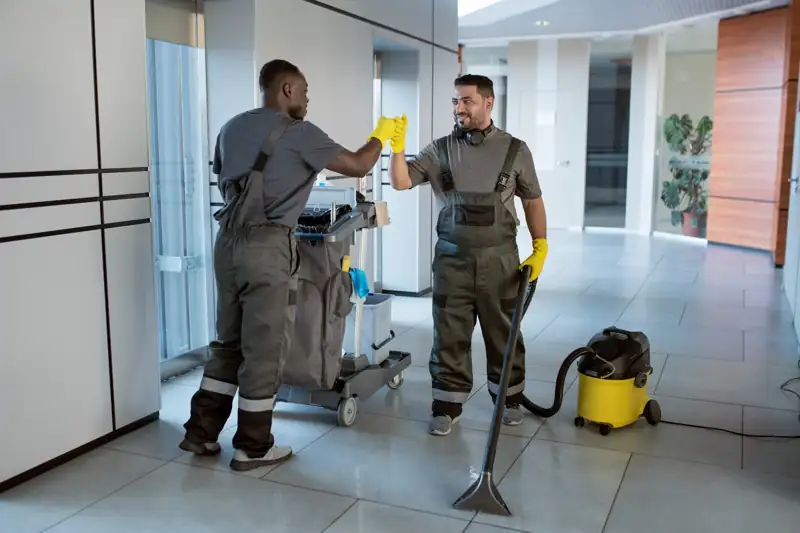
The commercial cleaning and facilities maintenance industry represents one of the most accessible entry points for international workers seeking employment opportunities in developed countries worldwide. As businesses, educational institutions, healthcare facilities, and residential complexes maintain increasingly high standards for cleanliness and sanitation, the demand for dedicated custodial professionals continues to grow substantially. This comprehensive guide explores how international workers can successfully pursue janitorial and custodial careers abroad, examining visa opportunities, employment prospects, career advancement pathways, and practical strategies for building a sustainable future in the facilities maintenance sector.
The Global Custodial Services Industry Overview
The professional cleaning and maintenance industry has evolved dramatically from its humble origins into a sophisticated sector employing millions of workers globally. Modern custodial services encompass far more than basic cleaning tasks, incorporating specialized sanitation protocols, environmental sustainability practices, and advanced cleaning technologies. This evolution has created diverse employment opportunities for international workers bringing dedication, attention to detail, and strong work ethics to their positions.
In the United States alone, the janitorial services industry employs over 2.5 million workers, generating annual revenues exceeding $60 billion. Similar growth patterns exist across Canada, Australia, the United Kingdom, and throughout the European Union. This massive industry scale creates consistent demand for reliable workers, particularly as domestic labor forces increasingly pursue other career paths. The resulting labor shortages have prompted many employers to actively recruit international workers who demonstrate commitment to quality service delivery.
The COVID-19 pandemic fundamentally transformed the custodial industry, elevating cleaning professionals from invisible background workers to essential frontline personnel. Enhanced sanitation requirements, infection control protocols, and public health responsibilities have increased both the importance and complexity of custodial work. This heightened profile has led to improved wages, better working conditions, and greater respect for cleaning professionals, benefiting international workers entering the field.
Geographic distribution of custodial opportunities varies significantly, with major metropolitan areas offering the most positions but also facing higher competition. Commercial business districts, medical centers, educational campuses, and transportation hubs concentrate custodial employment. However, smaller cities and suburban areas often struggle more acutely with labor shortages, making them potentially more receptive to international workers. Understanding these regional dynamics helps international candidates target their job searches strategically.
The custodial industry’s accessibility to international workers stems from several factors. Language requirements, while important, are generally less stringent than in customer-facing roles. Physical capability and reliability often matter more than formal education credentials. Training programs are typically provided by employers, reducing barriers to entry. Additionally, the industry’s experience with diverse workforces creates relatively welcoming environments for international workers from various backgrounds.
Employment Opportunities and Work Authorization Pathways
International workers pursuing custodial careers abroad must navigate immigration systems that vary significantly between countries. Understanding available visa categories, work permit requirements, and pathways to permanent residency helps candidates identify realistic opportunities and plan their immigration strategies effectively.
Temporary work visa programs in many countries specifically accommodate custodial workers. The H-2B visa program in the United States allows employers to sponsor foreign workers for temporary non-agricultural positions, including janitorial services. This visa category particularly suits seasonal cleaning needs in resort areas, educational institutions during summer deep-cleaning periods, and businesses experiencing temporary staff shortages. While initially limited to one year, H-2B visas can be extended up to three years total, providing time to explore permanent residency options.
Canada’s Temporary Foreign Worker Program similarly enables employers to hire international custodial workers when Canadian workers are unavailable. The program requires employers to obtain Labour Market Impact Assessments demonstrating genuine labor needs. Provincial Nominee Programs offer pathways from temporary to permanent status, with several provinces prioritizing essential service workers including custodial staff. The Canadian Experience Class immigration stream rewards temporary workers who gain Canadian employment experience.
European Union countries maintain varying approaches to non-EU custodial workers. Germany’s recent immigration reforms have expanded opportunities for workers in shortage occupations, including cleaning services. The Netherlands offers temporary work permits for custodial positions, particularly in sectors facing acute labor shortages. Post-Brexit United Kingdom has introduced a points-based immigration system, though custodial work typically requires employer sponsorship through shortage occupation lists.
Australia’s visa framework includes several relevant categories for custodial workers. The Temporary Skill Shortage visa enables employer sponsorship for positions on the skilled occupation list. While basic custodial work may not qualify, specialized cleaning roles such as industrial cleaners or healthcare sanitation specialists may be eligible. Regional Sponsored Migration Scheme visas offer pathways to permanent residency for workers willing to work in regional areas experiencing labor shortages.
Refugee and asylum programs provide work authorization allowing recipients to work in custodial positions without employer sponsorship requirements. Many refugees bring strong work ethics and appreciation for employment opportunities, making them valuable employees. Humanitarian protection recipients often find custodial work provides stable income while they establish themselves in new countries and potentially pursue further education or training.
Family-based immigration creates opportunities for spouses and adult children of primary visa holders to work in custodial positions. Dependent visas often include work authorization, though specific rights vary by country and visa category. International students may also work part-time in custodial positions during studies, potentially leading to post-graduation employment and visa sponsorship opportunities.
Types of Custodial and Janitorial Positions Available
The custodial services industry encompasses numerous specializations and work environments, each offering distinct opportunities and requirements for international workers. Understanding these various roles helps candidates identify positions matching their skills, interests, and career objectives.
Commercial Office Cleaning represents the largest employment segment within custodial services. These positions involve maintaining cleanliness in office buildings, corporate campuses, and business facilities. Duties typically include emptying trash receptacles, vacuuming carpets, cleaning restrooms, dusting surfaces, and maintaining common areas. Evening and night shifts are common, allowing workers to clean while offices are empty. Commercial cleaning often provides steady employment with predictable schedules, making it attractive for international workers establishing themselves in new countries.
Healthcare Facility Housekeeping requires specialized knowledge of infection control and sanitation protocols. Hospital housekeepers, clinical custodians, and medical facility cleaners play crucial roles in preventing healthcare-associated infections. These positions demand meticulous attention to detail, understanding of biohazard handling procedures, and ability to work in sensitive environments. Healthcare custodial positions often offer better compensation and benefits than general commercial cleaning, reflecting their critical importance to patient safety.
Educational Institution Maintenance involves maintaining schools, universities, and training facilities. School custodians combine cleaning duties with minor maintenance tasks, event setup, and sometimes security responsibilities. The academic calendar provides varied work patterns, with intensive deep-cleaning during breaks and routine maintenance during terms. Educational institutions often offer stable employment with government or institutional benefits, particularly attractive for international workers seeking long-term security.
Industrial and Manufacturing Cleaning requires working in factories, warehouses, and production facilities. Industrial cleaners may operate specialized equipment, handle chemical cleaning agents, and maintain equipment cleanliness critical for production quality. These positions often pay premium wages due to technical requirements and potentially challenging working conditions. International workers with industrial experience from their home countries may find their skills particularly valuable in these settings.
Hospitality and Tourism Cleaning encompasses hotels, resorts, restaurants, and entertainment venues. These positions often involve detailed room cleaning, public area maintenance, and rapid turnover requirements. The hospitality industry’s seasonal patterns can align well with temporary visa programs. International workers with hospitality experience or cultural knowledge valuable to international tourism may find particular advantages in this sector.
Residential and Property Management Services involve maintaining apartment complexes, condominiums, and residential communities. These positions often combine cleaning with light maintenance, groundskeeping, and resident interaction. Some positions include housing benefits such as reduced rent or on-site accommodation, particularly valuable for international workers managing living expenses in expensive markets.
Specialized Cleaning Services cover unique environments requiring specific expertise. Crime scene cleanup, hazardous material remediation, and disaster restoration services command premium wages but require specialized training and strong psychological resilience. Window cleaning for high-rise buildings, carpet and upholstery cleaning, and floor care specialization offer paths to higher earnings through technical expertise development.
Salary Structures and Compensation Benefits
Understanding compensation patterns in the custodial industry helps international workers evaluate opportunities and plan their financial futures. While entry-level wages may appear modest, various factors can significantly increase total compensation, and career progression offers substantial earning potential improvement.
Base hourly wages for custodial workers vary considerably by location, employer type, and specialization. In the United States, entry-level janitors typically earn between $10 and $16 per hour, with metropolitan areas and high-cost regions offering higher rates. Experienced custodians with specialized skills or supervisory responsibilities can earn $18 to $25 per hour or more. Annual salaries for full-time custodial workers range from $20,000 to $40,000, with overtime and additional responsibilities potentially increasing earnings substantially.
Shift differentials significantly impact total compensation for custodial workers. Evening shifts typically pay 10-15% premiums over day rates, while overnight shifts may offer 15-25% differentials. Weekend work often includes additional premiums, and holiday shifts may pay double time. International workers willing to work less desirable shifts can substantially increase their earnings while potentially having daytime hours available for education or second jobs.
Overtime opportunities abound in the custodial industry due to staffing challenges and variable workload demands. Many custodial workers regularly work 45-60 hours weekly, with overtime hours paid at 1.5 times regular rates. Special events, emergency cleanups, and seasonal deep-cleaning projects create additional overtime opportunities. Some international workers strategically maximize overtime during initial years abroad to establish financial security.
Benefits packages add significant value beyond base wages. Full-time custodial positions typically include health insurance, potentially worth $5,000-15,000 annually depending on coverage levels and family inclusion. Dental and vision insurance, life insurance, and disability coverage provide additional security. Retirement plans with employer matching help workers build long-term wealth. Paid time off, sick leave, and holiday pay provide income stability during non-working periods.
Performance bonuses and incentive programs reward excellence and reliability. Attendance bonuses can add several hundred dollars monthly for perfect attendance. Quality bonuses based on inspection scores or customer satisfaction provide additional earning opportunities. Some employers offer profit-sharing or annual bonuses based on company performance. Length-of-service increases reward loyalty and experience, with many employers providing automatic raises at regular intervals.
Union representation in many custodial positions provides additional wage and benefit advantages. Unionized custodial workers typically earn 15-25% more than non-union counterparts and enjoy stronger job security, grievance procedures, and advancement opportunities. International workers should understand union membership requirements and benefits in their employment contexts.
Non-monetary benefits can significantly impact international workers’ quality of life. Some positions include transportation assistance through shuttle services or transit passes. Uniform provision and laundering save workers clothing expenses. English language learning support helps international workers improve communication skills. Some employers offer immigration assistance, covering partial legal fees or providing documentation support for visa applications.
Training Requirements and Professional Development
Professional development in the custodial industry enables international workers to increase their earning potential, advance to supervisory positions, and build sustainable careers. Understanding training requirements and certification opportunities helps workers strategically plan their professional growth.
Basic custodial training typically occurs during paid orientation periods lasting one to two weeks. New employees learn company policies, safety procedures, cleaning techniques, and customer service expectations. International workers benefit from structured training that establishes clear expectations and provides supervised practice opportunities. Demonstrating quick learning and enthusiasm during training often leads to better assignments and advancement opportunities.
Safety training forms a critical component of custodial education. Workers must understand proper handling of cleaning chemicals, including reading safety data sheets and using personal protective equipment. Bloodborne pathogen training is essential for workers potentially exposed to bodily fluids. Slip, trip, and fall prevention protects workers from common custodial injuries. Ergonomic training for proper lifting and repetitive motion tasks prevents musculoskeletal injuries that could end careers.
Chemical handling certification provides valuable credentials for custodial workers. Understanding pH levels, dilution ratios, and chemical interactions enables safe, effective cleaning. Green cleaning certification demonstrates knowledge of environmentally sustainable practices increasingly demanded by clients. Specialized training for floor care chemicals, disinfectants, and industrial cleaning agents opens opportunities in specialized cleaning sectors.
Equipment operation training expands custodial workers’ capabilities and value. Floor care equipment including buffers, scrubbers, and carpet extractors requires proper operation knowledge. High-reach equipment for window cleaning or high dusting may require specific safety certification. Pressure washing equipment operation opens opportunities in exterior cleaning. International workers who master various equipment types become valuable multi-skilled employees.
Infection control certification has gained importance following global health events. Healthcare custodial workers particularly benefit from certified training in infection prevention. Understanding transmission pathways, proper disinfection protocols, and isolation room procedures is essential. Certification from recognized organizations like the Association for the Healthcare Environment provides credible credentials for healthcare custodial positions.
Leadership and supervision training prepares custodial workers for advancement. Many employers offer supervisor development programs covering team management, scheduling, quality control, and customer relations. Communication skills training helps international workers overcome language barriers and interact effectively with diverse stakeholders. Project management training prepares workers to handle special cleaning projects or facility events.
Technology training becomes increasingly important as custodial operations modernize. Digital work order systems require basic computer literacy. Quality control apps on tablets or smartphones document cleaning completion. Some facilities use robotic cleaning equipment requiring programming knowledge. International workers who embrace technology position themselves for future industry evolution.
Workplace Integration and Cultural Considerations
Successfully integrating into custodial workplaces requires understanding professional expectations, communication norms, and organizational cultures. International workers who actively engage in cultural adaptation build stronger relationships and advance more quickly in their careers.
Communication challenges often concern international custodial workers, but the industry generally accommodates varying language proficiency levels. Basic English comprehension for safety instructions and work assignments is essential, but fluency isn’t always required. Many workplaces have multilingual supervisors or colleagues who assist with translation. Written communication needs are typically limited to simple reports or checklists. International workers should focus on learning job-specific vocabulary and safety-related terminology.
Teamwork dynamics in custodial settings require balancing independent work with collaborative coordination. While much custodial work occurs individually, teams must coordinate coverage areas, share equipment, and support colleagues during large projects. Cultural differences in hierarchy perception may require adjustment, as American and Western workplaces often emphasize egalitarian team relationships over strict hierarchical structures.
Time management and punctuality expectations in custodial work are typically strict due to coverage requirements and client expectations. Arriving late disrupts cleaning schedules and burdens colleagues. Understanding that reliability directly impacts team success and client satisfaction helps international workers prioritize punctuality. Some cultures’ more flexible time concepts require conscious adjustment to Western punctuality standards.
Customer interaction skills matter even in behind-the-scenes custodial roles. Custodians often encounter building occupants, requiring professional, friendly demeanor while maintaining appropriate boundaries. Understanding cultural differences in eye contact, personal space, and communication styles helps international workers navigate these interactions successfully. The ability to remain unobtrusive while working in occupied spaces is valued.
Workplace diversity in custodial services creates opportunities for cultural exchange and mutual support. Many custodial teams include workers from numerous countries, creating multicultural environments where international workers often feel welcomed. Sharing cultural traditions during breaks or celebrations builds team cohesion. International workers who embrace diversity while respecting differences develop strong support networks.
Professional boundaries and workplace ethics require careful attention. Understanding appropriate relationships with supervisors, colleagues, and clients prevents misunderstandings. Honesty regarding found items or accessing secured areas maintains trust. Respecting client privacy and confidentiality, particularly in offices or residences, is paramount. International workers from different cultural contexts should observe and adapt to local professional norms.
Health, Safety, and Workers’ Rights
Understanding health and safety requirements, along with workers’ rights, protects international custodial workers from injury and exploitation. Knowledge of regulations and protections enables workers to maintain safe working conditions and assert their legal rights.
Occupational safety regulations protect custodial workers from workplace hazards. The Occupational Safety and Health Administration (OSHA) in the United States and equivalent agencies in other countries establish standards for chemical handling, equipment operation, and workplace safety. Employers must provide safety training, personal protective equipment, and hazard communication. International workers have the same safety rights as domestic workers and should report unsafe conditions without fear of retaliation.
Personal protective equipment (PPE) must be provided by employers at no cost to workers. This includes gloves for chemical handling and potentially infectious materials, safety glasses for splash hazards, slip-resistant footwear in wet environments, and respiratory protection when necessary. International workers should never accept positions requiring them to purchase their own safety equipment or work without proper protection.
Workers’ compensation insurance covers medical expenses and lost wages for work-related injuries or illnesses. International workers are entitled to workers’ compensation benefits regardless of immigration status in most jurisdictions. Understanding how to report injuries, seek medical treatment, and file claims ensures proper care and compensation. Employers cannot legally terminate or retaliate against workers for filing legitimate workers’ compensation claims.
Wage and hour protections ensure custodial workers receive legal minimum wages and overtime compensation. International workers should understand applicable minimum wage rates, overtime triggers, and pay frequency requirements. Keeping personal records of hours worked helps verify proper payment. Wage theft, including unpaid overtime or illegal deductions, can be reported to labor departments for investigation and recovery.
Anti-discrimination laws protect international workers from harassment or discrimination based on national origin, race, religion, or other protected characteristics. Hostile work environments, discriminatory treatment, or harassment should be reported to supervisors or human resources departments. If internal reporting doesn’t resolve issues, government agencies investigate discrimination complaints. International workers should document incidents and seek support from advocacy organizations if needed.
Union rights allow custodial workers to organize for better wages and working conditions. Many custodial positions are unionized, providing additional protections and benefits. International workers have the right to join unions or participate in organizing efforts. Understanding union contracts, grievance procedures, and membership benefits helps workers maximize union representation advantages.
Health and safety training must be provided in languages workers understand. Employers must ensure international workers comprehend safety instructions, hazard warnings, and emergency procedures. Requesting translated materials or interpretation services is reasonable and often legally required. International workers should never perform tasks they don’t understand due to language barriers.
Building a Sustainable Career Path
The custodial industry offers numerous advancement opportunities for dedicated international workers willing to invest in professional development and demonstrate leadership capabilities. Understanding potential career trajectories helps workers set goals and make strategic decisions about training and experience acquisition.
Supervisory positions represent natural progression for experienced custodial workers. Lead custodians coordinate team activities during shifts, train new employees, and ensure quality standards. Area supervisors oversee multiple buildings or zones, requiring organizational and communication skills. Night shift supervisors manage entire facilities during off-hours, carrying significant responsibility. International workers who demonstrate reliability and leadership often advance to supervisory roles within 2-3 years.
Facilities management careers build upon custodial experience with additional training and responsibility. Assistant facility managers handle scheduling, supply ordering, and vendor coordination. Facility managers oversee all aspects of building operations including custodial services, maintenance, and security. These positions offer stable salaries, often $40,000-70,000 annually, and professional status. International workers with business acumen and communication skills excel in management roles.
Specialized technical roles provide alternative advancement paths. Floor care specialists master complex restoration and maintenance techniques for various flooring types. Industrial hygienists focus on environmental health and safety in facilities. Building engineers combine custodial knowledge with mechanical systems expertise. These specializations command higher wages and provide unique career niches.
Business ownership opportunities exist for experienced custodial workers with entrepreneurial ambitions. Starting a cleaning service requires relatively low capital compared to other businesses. Many successful cleaning company owners began as custodial workers, learning the industry before launching independent ventures. International workers who obtain permanent residency or citizenship can pursue business ownership, potentially sponsoring other international workers.
Contract management positions with large custodial service companies offer corporate career paths. Account managers maintain client relationships and ensure service quality. Regional managers oversee multiple contracts and hundreds of employees. Business development roles involve securing new contracts and expanding services. These positions provide professional advancement beyond hands-on cleaning work.
Transition opportunities to related fields leverage custodial experience. Many custodial workers move into maintenance technician roles with additional training. Safety coordinator positions value workers with firsthand knowledge of workplace hazards. Purchasing agents for cleaning supply companies benefit from understanding end-user needs. Environmental services in healthcare settings offer specialized career paths for experienced healthcare custodians.
Consulting and training roles emerge for custodial professionals with extensive expertise. Experienced workers may become independent trainers teaching cleaning techniques or safety procedures. Consultants advise organizations on improving custodial operations or implementing green cleaning programs. These roles offer flexibility and recognition as industry experts.
Financial Planning and Immigration Strategies
International custodial workers must carefully manage finances while navigating immigration systems to build secure futures. Strategic planning helps workers achieve both immediate stability and long-term goals.
Budgeting on custodial wages requires careful financial management. Creating detailed budgets accounting for housing, food, transportation, and immigration expenses helps workers live within their means. Many international workers share housing to reduce costs during initial years. Understanding local cost-of-living factors helps set realistic financial expectations. Building emergency funds protects against unexpected expenses or employment gaps.
Remittance management for workers supporting families abroad requires balancing home country obligations with local financial establishment. Comparing money transfer services for fees and exchange rates maximizes value for recipients. Timing transfers strategically around exchange rate fluctuations can increase purchasing power. However, maintaining adequate reserves in the host country prevents financial crises.
Credit building in new countries enables future opportunities. Secured credit cards help establish credit history for international workers without local credit records. Paying bills punctually and maintaining low credit utilization improves credit scores. Understanding credit systems helps workers qualify for vehicle loans, apartment rentals, and eventually mortgages. Good credit also supports business loan applications for those pursuing entrepreneurship.
Tax obligations require careful attention for international workers. Understanding tax filing requirements, available deductions, and treaty benefits prevents problems with tax authorities. Custodial workers may deduct uniform costs, union dues, and work-related transportation. Tax treaties between countries may prevent double taxation. Professional tax preparation specifically for international workers ensures compliance and maximizes refunds.
Immigration pathway planning should align with career development. Temporary visa holders should discuss permanent residency sponsorship possibilities with employers early. Understanding processing times and maintaining continuous legal status prevents disruptions. Some workers pursue education while working to qualify for skilled worker visa categories. Others focus on employer sponsorship through proven reliability and value.
Education investment while working custodial positions can transform career trajectories. Many international workers attend community colleges or vocational schools while working full-time. Employer tuition assistance programs help fund education. Degrees in business, facilities management, or technical fields open advancement opportunities. English language improvement through formal classes enhances communication skills and career prospects.
Technology and Innovation in Modern Custodial Services
The custodial industry increasingly adopts technologies that transform traditional cleaning into data-driven, efficient operations. International workers who embrace technological change position themselves advantageously for evolving industry demands.
Automated cleaning equipment reduces physical demands while improving efficiency. Robotic vacuum cleaners and floor scrubbers handle routine cleaning tasks, with custodians managing and maintaining equipment. Electrostatic sprayers ensure comprehensive disinfectant coverage with less chemical use. High-efficiency particulate air (HEPA) filtration systems improve indoor air quality. International workers who master advanced equipment operation become valuable technical specialists.
Digital management systems streamline custodial operations through mobile applications and cloud-based platforms. Work order systems assign tasks and track completion in real-time. Quality control apps document cleaning through photos and checklists. Supply management systems automate inventory tracking and ordering. International workers comfortable with digital tools adapt quickly to modern custodial operations.
Internet of Things (IoT) sensors optimize custodial services through data collection. Occupancy sensors identify high-traffic areas requiring frequent cleaning. Consumable dispensers alert custodians when supplies need replenishment. Air quality monitors trigger additional ventilation or cleaning when needed. Understanding data-driven cleaning helps custodians work more efficiently and effectively.
Green cleaning technologies address environmental concerns while protecting worker health. Microfiber cleaning systems reduce chemical usage while improving cleaning effectiveness. Aqueous ozone generators create powerful cleaning solutions from ordinary water. UV-C disinfection provides chemical-free sanitization for sensitive environments. International workers trained in sustainable cleaning practices meet growing demand for environmental responsibility.
Building Information Modeling (BIM) integration helps custodians understand facility layouts and systems. Digital building maps show cleaning zones, equipment locations, and special requirements. Augmented reality applications can overlay cleaning instructions onto real-world views. These technologies particularly help international workers unfamiliar with complex facilities navigate efficiently.
Artificial intelligence applications begin entering custodial services through predictive analytics and optimization. AI algorithms predict cleaning needs based on usage patterns and weather conditions. Machine learning improves supply forecasting and staff scheduling. While AI won’t replace custodial workers, those who understand and work with AI tools will have advantages in evolving industry landscapes.
Conclusion: Building a Successful Custodial Career as an International Worker
The custodial and janitorial services industry provides accessible, stable employment opportunities for international workers seeking to establish themselves in new countries. Despite its humble reputation, professional cleaning offers genuine career paths with advancement opportunities, respectable compensation, and potential for business ownership. The industry’s size, diversity, and essential nature ensure continued demand for dedicated workers regardless of economic cycles or technological changes.
Success in custodial careers requires more than just willingness to work hard. International workers must navigate immigration requirements, understand workplace cultures, and continuously develop professional skills. The investment in training, language learning, and cultural adaptation yields returns through job security, advancement opportunities, and improved quality of life. Many international workers have built middle-class lifestyles and supported families through custodial careers.
The evolution of custodial services toward greater professionalization benefits international workers. Enhanced safety standards, technological integration, and recognition of cleaning’s importance to public health elevate the profession’s status. International workers entering the industry today find better working conditions, training opportunities, and career prospects than previous generations. The COVID-19 pandemic’s emphasis on sanitation has permanently raised the profile and value of custodial professionals.
Cultural diversity within custodial workforces creates welcoming environments for international workers. The shared experience of hard work and dedication transcends cultural differences, building camaraderie among diverse teams. Many international workers find supportive communities within custodial services, helping them adjust to new countries while maintaining cultural connections. This diversity enriches workplaces and improves service delivery to multicultural clients.
Financial discipline and strategic planning enable custodial workers to achieve significant life goals. While individual wages may seem modest, full-time employment with benefits provides stable foundations for building futures. Many international custodial workers successfully purchase homes, educate children, and achieve comfortable retirements through careful financial management and career progression. The industry’s overtime opportunities and advancement potential allow ambitious workers to substantially improve their economic situations.
Looking forward, the custodial industry will continue evolving with technological advancement, sustainability imperatives, and changing workplace expectations. International workers who embrace continuous learning, adapt to industry changes, and maintain high professional standards will find ongoing opportunities. The essential nature of cleaning services ensures job security, while industry evolution creates new specializations and advancement paths.
For international workers considering custodial careers, success requires realistic expectations balanced with ambition for advancement. The work can be physically demanding and sometimes underappreciated, but it provides honest employment with genuine opportunities for those willing to invest in their professional development. Understanding that custodial work can be a stepping stone to better opportunities or a sustainable career in itself helps workers make informed decisions about their futures.
The pathway from international job seeker to successful custodial professional demonstrates the accessibility and potential within the cleaning services industry. With appropriate preparation, cultural adaptation, and professional dedication, international workers can build rewarding careers in custodial services, achieving personal prosperity while providing essential services that keep societies functioning safely and hygienically. The dignity of honest work, combined with opportunities for advancement, makes custodial services a viable career choice for international workers seeking stable futures in new homeland.