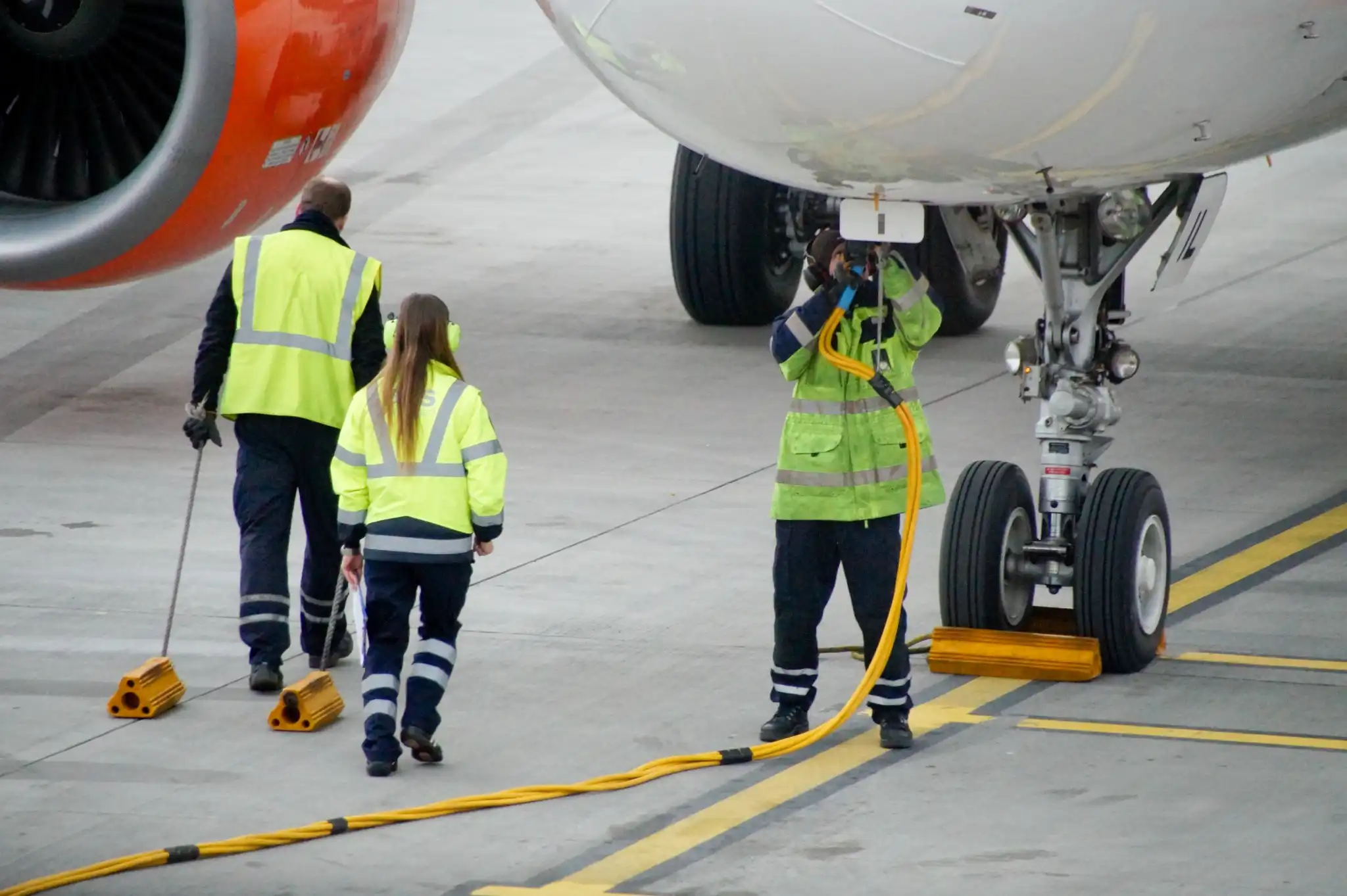
The aviation industry continues to soar as global travel rebounds and air cargo demands reach unprecedented levels, creating exceptional opportunities for international workers seeking stable careers in airport operations. Ground crew positions form the backbone of aviation safety and efficiency, with airports worldwide actively recruiting qualified candidates from overseas to fill critical roles. This comprehensive guide explores the dynamic world of airport ground handling careers, visa sponsorship opportunities, and practical strategies for launching your aviation career abroad.
Understanding the Airport Ground Operations Ecosystem
Airport ground operations encompass a vast network of interconnected services that ensure aircraft safely and efficiently move passengers and cargo around the world. From the moment an aircraft touches down until it takes off again, dozens of ground crew professionals coordinate complex logistics, perform essential maintenance, and provide crucial support services. This intricate ballet of activity requires skilled workers who can maintain composure under pressure while adhering to strict safety protocols and tight schedules.
The global aviation ground handling market generates over one hundred fifty billion dollars annually, with major hub airports processing thousands of flights daily. This massive industry relies heavily on international workforce diversity to maintain round-the-clock operations across multiple terminals and cargo facilities. Ground handling companies, airlines, and airport authorities recognize that recruiting talented professionals from around the world strengthens their operational capabilities and enhances service quality.
Modern airports function as miniature cities, operating twenty-four hours a day with specialized zones for passenger services, cargo handling, aircraft maintenance, and support operations. Each area requires dedicated ground crew teams with specific skills and certifications. The interconnected nature of airport operations means that ground crew members often develop versatile skill sets that enhance their career mobility within the aviation industry.
The post-pandemic aviation recovery has intensified demand for qualified ground crew personnel, with many airports struggling to recruit sufficient staff to handle increasing flight volumes. This labor shortage has prompted employers to expand international recruitment efforts, offering attractive visa sponsorship packages to qualified candidates willing to relocate. The current market conditions create unprecedented opportunities for international workers seeking entry into aviation careers.
High-Demand Ground Crew Positions and Responsibilities
Ramp agents serve as the primary workforce for aircraft ground handling, performing essential tasks including baggage loading, aircraft marshaling, and pushback operations. These positions require physical stamina, attention to detail, and the ability to work efficiently in all weather conditions. International candidates with previous experience in logistics, warehouse operations, or transportation often transition successfully into ramp agent roles, with employers providing comprehensive training on airport-specific procedures and equipment operation.
Aircraft fueling technicians manage the critical task of refueling aircraft between flights, operating sophisticated fueling systems and ensuring compliance with strict safety regulations. These specialized positions command higher wages due to the technical expertise required and the responsibility for handling hazardous materials. International workers with experience in petroleum operations, chemical handling, or industrial safety find their skills particularly valuable in aircraft fueling roles.
Baggage handling systems operators oversee the complex conveyor networks that move luggage throughout airport terminals. These technical positions require troubleshooting skills, mechanical aptitude, and the ability to coordinate with multiple departments to ensure baggage reaches the correct aircraft on time. As airports increasingly automate baggage systems, operators with technical training in industrial automation or mechanical systems find growing opportunities in this field.
Customer service agents working on the ramp bridge the gap between ground operations and passenger experience, coordinating special services such as wheelchair assistance, unaccompanied minor transfers, and premium passenger amenities. These roles require strong communication skills, cultural sensitivity, and the ability to remain calm while managing passenger concerns in a fast-paced environment. Multilingual international workers bring valuable language skills that enhance service delivery in increasingly diverse airport environments.
Cargo handlers manage the loading and unloading of air freight, operating specialized equipment to move everything from small packages to oversized industrial equipment. The explosive growth in e-commerce and global supply chains has created substantial demand for skilled cargo handling professionals. International workers with forklift certification, warehouse management experience, or knowledge of customs procedures find numerous opportunities in airport cargo operations.
Ground support equipment mechanics maintain the vast fleet of vehicles and machinery essential to airport operations, from baggage carts and aircraft tugs to boarding bridges and ground power units. These technical positions require mechanical expertise, diagnostic skills, and the ability to perform repairs under time pressure. International technicians with automotive, heavy equipment, or industrial maintenance backgrounds adapt well to ground support equipment maintenance roles.
De-icing specialists perform crucial safety functions during winter operations, applying specialized chemicals to remove ice and snow from aircraft surfaces. These seasonal positions often offer premium pay rates and the opportunity for year-round employment through cross-training in other ground crew functions. International workers from regions with severe winter weather often possess valuable experience that translates directly to aircraft de-icing operations.
Visa Sponsorship Programs and Immigration Pathways
Major airlines and ground handling companies regularly sponsor international workers for various visa categories, recognizing the value of global talent in maintaining operational excellence. Employment-based visa programs in countries like the United States, Canada, United Kingdom, and Australia provide structured pathways for qualified ground crew professionals to obtain work authorization and potentially pursue permanent residence.
Temporary work visa programs offer the fastest route to beginning airport ground crew careers abroad. These visas typically allow employment for specific periods with designated employers who demonstrate inability to fill positions with local workers. Many countries have streamlined temporary visa processes for aviation workers, acknowledging the industry’s critical infrastructure status and persistent labor shortages.
Skilled worker visa categories in numerous countries specifically include airport ground operations roles, particularly for positions requiring specialized certifications or technical expertise. These visa programs often feature expedited processing times and pathways to permanent residence after meeting specific employment and residency requirements. Understanding which ground crew positions qualify for skilled worker classifications helps international candidates target their job search effectively.
Regional mobility agreements and bilateral treaties facilitate aviation worker movement between certain countries, creating additional opportunities for international employment. For example, European Union citizens enjoy freedom of movement for airport employment throughout member states, while various bilateral agreements enable aviation worker exchanges between specific country pairs. Researching applicable mobility agreements expands potential employment destinations for qualified candidates.
Seasonal worker programs address peak travel period staffing needs, offering international workers opportunities to gain aviation experience while exploring different countries. These programs typically cover busy summer or winter seasons, with some employers offering visa sponsorship extensions for exceptional performers. Seasonal positions provide valuable entry points into aviation careers and can lead to permanent employment offers.
Qualifications and Certification Requirements
Educational requirements for ground crew positions vary considerably depending on specific roles and local regulations. Entry-level positions such as ramp agents or baggage handlers typically require high school completion or equivalent, while technical roles may demand vocational training or specialized certifications. International candidates should research specific educational requirements in target countries and obtain credential evaluations where necessary.
Aviation security clearances represent fundamental requirements for all airport ground crew positions, involving comprehensive background checks, criminal history reviews, and sometimes security interviews. International candidates must be prepared for extensive vetting processes that may examine employment history, financial records, and personal references across multiple countries. Clean criminal records and stable employment histories significantly improve chances of obtaining necessary security clearances.
Dangerous goods handling certification is essential for many ground crew roles, particularly those involving cargo operations or aircraft loading. The International Air Transport Association provides standardized dangerous goods training recognized globally, making this certification valuable for international job mobility. Obtaining dangerous goods certification before applying for positions demonstrates commitment and preparation to potential employers.
Equipment operation licenses for vehicles such as forklifts, aircraft tugs, and belt loaders are typically required for specific ground crew positions. While certification requirements vary by country and airport, many employers provide training and certification as part of onboarding processes. International candidates with existing equipment operation experience should document their qualifications and be prepared to undergo local certification processes.
Physical fitness standards apply to most ground crew positions due to the demanding nature of airport work. Medical examinations typically assess ability to lift specified weights, work in confined spaces, tolerate extreme temperatures, and maintain alertness during long shifts. International candidates should be prepared for comprehensive medical evaluations and drug screening as standard parts of the employment process.
Language proficiency requirements vary by position and location, with customer-facing roles typically demanding higher language skills than purely operational positions. While English serves as the international aviation language, local language abilities significantly enhance employment prospects and workplace integration. Aviation-specific vocabulary and radio communication protocols require focused study beyond conversational language skills.
Salary Structures and Comprehensive Benefits
Ground crew compensation varies significantly based on location, specific role, experience level, and employer type. Entry-level ramp agents in major aviation markets typically earn between thirty-five thousand and fifty thousand dollars annually, with experienced workers commanding higher salaries. Technical positions such as equipment mechanics or fueling specialists often earn between fifty thousand and seventy thousand dollars, reflecting their specialized skills and responsibilities.
Shift differentials substantially augment base salaries for ground crew workers willing to work nights, weekends, and holidays. These premiums can add twenty to forty percent to base wages, making total compensation packages particularly attractive for flexible workers. Overtime opportunities are abundant in aviation, especially during peak travel seasons or irregular operations, providing additional income potential for motivated employees.
Comprehensive benefits packages typically accompany ground crew positions at major airports and airlines. Health insurance, retirement contributions, and paid time off form standard components of employment offers. Many aviation employers provide additional benefits such as flight privileges, allowing employees and their families to travel at significantly reduced costs or even free on standby basis.
Performance bonuses and profit-sharing programs increasingly feature in ground crew compensation packages as employers recognize the direct impact of ground operations on airline profitability and customer satisfaction. Punctuality bonuses, safety incentives, and team performance rewards can add substantial amounts to annual earnings. International workers who demonstrate exceptional performance often receive accelerated salary increases and advancement opportunities.
Cost of living considerations significantly impact the real value of ground crew compensation packages. While positions at major international hubs may offer higher nominal salaries, housing and living expenses in these locations can consume larger portions of income. Many secondary airports offer competitive salaries with lower living costs, providing superior overall value for international workers.
Career Advancement and Professional Development
Aviation ground operations offer clear career progression pathways from entry-level positions to supervisory and management roles. Many senior airport managers and airline executives began their careers in ground crew positions, demonstrating the industry’s commitment to internal advancement. International workers who show initiative, reliability, and leadership potential often find rapid advancement opportunities within aviation organizations.
Cross-training programs enable ground crew members to develop expertise across multiple operational areas, increasing their value and career flexibility. Ramp agents may train in cargo operations, customer service, or equipment maintenance, building comprehensive skill sets that qualify them for higher-paying positions. Airlines and ground handling companies actively encourage cross-training as it creates versatile workforces capable of adapting to operational demands.
Leadership development initiatives identify and prepare high-potential ground crew members for supervisory responsibilities. These programs typically combine classroom instruction with practical leadership experience, mentoring relationships, and exposure to strategic planning processes. International workers who demonstrate cultural adaptability and strong communication skills often excel in aviation leadership development programs.
Professional certifications and continuing education significantly enhance career prospects in aviation ground operations. Advanced certifications in areas such as airport operations, aviation safety management, or ground handling supervision command premium salaries and open doors to senior positions. Many employers support continuing education through tuition reimbursement programs or partnerships with aviation training institutions.
International experience itself becomes a valuable career asset in the global aviation industry. Ground crew professionals who successfully work in different countries develop cultural competencies, regulatory knowledge, and operational expertise that make them highly sought after for international assignments or regional management positions. Building a career across multiple aviation markets creates unique advancement opportunities.
Application Strategies for International Candidates
Successful international job searches in aviation require strategic preparation and targeted approaches. Building comprehensive online profiles highlighting relevant experience, certifications, and language skills improves visibility to aviation recruiters actively searching for international talent. Using industry-specific keywords and maintaining professional networking profiles increases chances of discovery by hiring managers.
Researching airlines, ground handling companies, and airport authorities in target countries provides crucial insights into employment opportunities and visa sponsorship policies. Many aviation employers maintain dedicated international recruitment programs with clear information about available positions, visa support, and application procedures. Understanding company cultures, operational focuses, and recent developments helps candidates tailor applications effectively.
Aviation job fairs and recruitment events increasingly feature virtual components, enabling international candidates to connect with employers without traveling. These events provide opportunities to speak directly with recruiters, learn about visa sponsorship programs, and sometimes participate in preliminary interviews. Preparing elevator pitches and researching participating employers maximizes the value of job fair participation.
Professional associations in aviation offer valuable networking opportunities and industry insights for international job seekers. Organizations such as the International Air Transport Association, Airports Council International, and national aviation associations provide platforms for building industry connections and staying informed about employment trends. Membership in professional associations demonstrates commitment to aviation careers.
Application materials must be carefully crafted to meet aviation industry standards and regional expectations. Resumes should emphasize relevant experience, certifications, and achievements while following local formatting conventions. Cover letters should clearly articulate visa requirements, availability timelines, and specific value propositions for aviation employers. Having application materials reviewed by aviation professionals ensures appropriate terminology and presentation.
Workplace Culture and Safety in Aviation
Safety culture permeates every aspect of aviation ground operations, with zero-tolerance approaches to safety violations and continuous emphasis on risk mitigation. International workers must embrace safety-first mindsets and actively participate in safety programs, reporting hazards, and suggesting improvements. Demonstrating strong safety awareness and compliance significantly impacts job performance evaluations and advancement opportunities.
Teamwork defines success in airport ground operations, where coordinated efforts among diverse groups ensure flight punctuality and passenger satisfaction. Ground crew members work closely across departments, shifts, and companies to maintain operational flow. International workers who demonstrate strong collaboration skills and cultural sensitivity typically integrate successfully into aviation teams.
Time pressure characterizes much of airport ground crew work, with strict turnaround times for aircraft servicing and departure schedules driving operational tempo. Workers must maintain efficiency and accuracy despite time constraints, weather challenges, and unexpected situations. International workers accustomed to fast-paced environments often adapt well to aviation’s demanding schedules.
Diversity and inclusion initiatives in aviation create welcoming environments for international workers, with many airports celebrating cultural diversity through employee resource groups, cultural events, and multilingual support services. The inherently international nature of aviation means that workers from different backgrounds contribute valuable perspectives and skills to operational success.
Communication protocols in aviation follow standardized procedures to ensure clarity and safety across language barriers. International workers must master aviation phraseology, hand signals, and radio procedures specific to ground operations. While initially challenging, these standardized communications ultimately facilitate smooth integration for international workers.
Living and Relocation Considerations
Airport locations often present unique housing challenges, with major hubs situated in expensive metropolitan areas while regional airports may be in smaller communities with limited housing options. International workers should research housing markets, considering factors such as commute times, public transportation availability, and neighborhood amenities when evaluating job opportunities.
Transportation planning is essential for ground crew positions, as shift work often occurs outside public transportation hours. Many international workers initially rely on colleague carpools or employer shuttle services before obtaining personal vehicles. Some airports provide employee parking benefits or transportation allowances to offset commuting costs.
Immigration document management requires careful attention, particularly for positions requiring security clearances and regular background check updates. International workers must maintain current work authorizations, report address changes promptly, and comply with all immigration requirements to preserve employment eligibility. Many aviation employers provide immigration support services to assist with documentation and renewal processes.
Community integration significantly impacts job satisfaction and retention for international aviation workers. Many airport communities have established international populations with cultural organizations, religious institutions, and ethnic businesses that provide familiar foods and social connections. Engaging with both international and local communities enriches the expatriate experience and builds valuable support networks.
Healthcare navigation in new countries requires understanding insurance coverage, provider networks, and claim procedures. Aviation employers typically offer comprehensive health benefits, but international workers must learn how to effectively utilize these benefits. Many airports have occupational health clinics that provide convenient care for work-related injuries and routine health needs.
Industry Trends and Future Opportunities
Automation and technological advancement continue reshaping airport ground operations, creating new roles while transforming traditional positions. Automated baggage systems, electric ground support equipment, and digital communication platforms require workers capable of managing sophisticated technologies. International workers who embrace technological change and pursue relevant training maintain competitive advantages in evolving aviation labor markets.
Sustainability initiatives drive significant changes in airport ground operations, from electric vehicle adoption to waste reduction programs. Ground crew members increasingly participate in environmental management activities, monitoring emissions, implementing recycling programs, and operating eco-friendly equipment. International workers with experience in sustainable operations or environmental management find growing opportunities as airports pursue carbon neutrality goals.
Airport expansion projects worldwide create substantial employment opportunities for ground crew professionals. New terminal construction, runway additions, and cargo facility developments generate thousands of positions requiring experienced workers to train new staff and establish operations. International workers with experience in airport startups or expansion projects possess valuable expertise for these growth opportunities.
Regional aviation growth in emerging markets creates opportunities for experienced international ground crew professionals to advance into training, consulting, or management roles. Countries developing aviation infrastructure actively recruit foreign expertise to establish operations and train local workforces. These positions often offer premium compensation packages and unique career development experiences.
Post-pandemic aviation recovery continues generating employment opportunities as passenger volumes return and exceed previous levels. Airlines and airports that reduced workforces during travel restrictions now face staffing challenges requiring aggressive recruitment including international talent acquisition. Current market conditions favor international workers seeking aviation careers with visa sponsorship support.
Preparing for Long-term Success
Building sustainable aviation careers requires continuous learning and adaptation to industry changes. Professional development through certifications, training programs, and educational advancement ensures continued relevance in evolving aviation markets. International workers who invest in ongoing skill development often find enhanced job security and advancement opportunities.
Financial planning for international aviation careers requires considering currency fluctuations, international taxation, and retirement planning across multiple countries. Understanding how employment in different countries affects long-term financial security helps international workers make informed career decisions. Some aviation professionals maintain retirement accounts in multiple countries or navigate international tax treaties affecting benefits.
Work-life balance in aviation ground operations can be challenging due to shift work, overtime requirements, and operational pressures. However, many workers appreciate the dynamic environment, travel benefits, and clear off-duty periods that allow for personal pursuits. International workers often find that aviation schedules accommodate international travel to maintain connections with home countries.
Career flexibility within aviation enables ground crew professionals to explore different roles, locations, and aviation sectors throughout their careers. Skills developed in airport ground operations transfer to airline operations, cargo companies, aviation services providers, and airport management. International experience enhances this flexibility, creating opportunities for diverse and rewarding aviation careers.
Conclusion: Launching Your International Aviation Career
Airport ground crew careers with visa sponsorship support offer international workers unique opportunities to enter the dynamic aviation industry while experiencing life in new countries. The combination of strong labor demand, clear advancement pathways, and comprehensive benefits makes aviation ground operations attractive for workers seeking stable international careers.
Success in securing ground crew positions with visa sponsorship requires strategic preparation, including obtaining relevant certifications, researching employer requirements, and understanding immigration processes. The investment in preparation pays dividends through access to rewarding careers in an industry that connects the world and offers genuine opportunities for professional growth.
The aviation industry’s inherently international nature creates an environment where workers from diverse backgrounds contribute essential skills and perspectives. International ground crew members bring valuable experiences that enhance operational effectiveness and service quality, making them integral to aviation success.
As global aviation continues recovering and expanding, opportunities for international workers in airport ground operations will likely increase. Those who demonstrate safety consciousness, operational excellence, and cultural adaptability will find numerous pathways to building successful careers in this essential industry.
The journey from international job seeker to established aviation professional requires determination, flexibility, and strategic planning. However, the rewards of working in aviation, including career stability, advancement opportunities, travel benefits, and the satisfaction of contributing to global connectivity, justify the effort required to secure these positions.
For international workers ready to embrace the challenges and opportunities of aviation careers, airport ground crew positions with visa sponsorship provide gateways to rewarding professional futures. With careful preparation, strategic positioning, and commitment to excellence, international candidates can successfully launch aviation careers that span continents and create lasting professional achievements in this vital global industry.