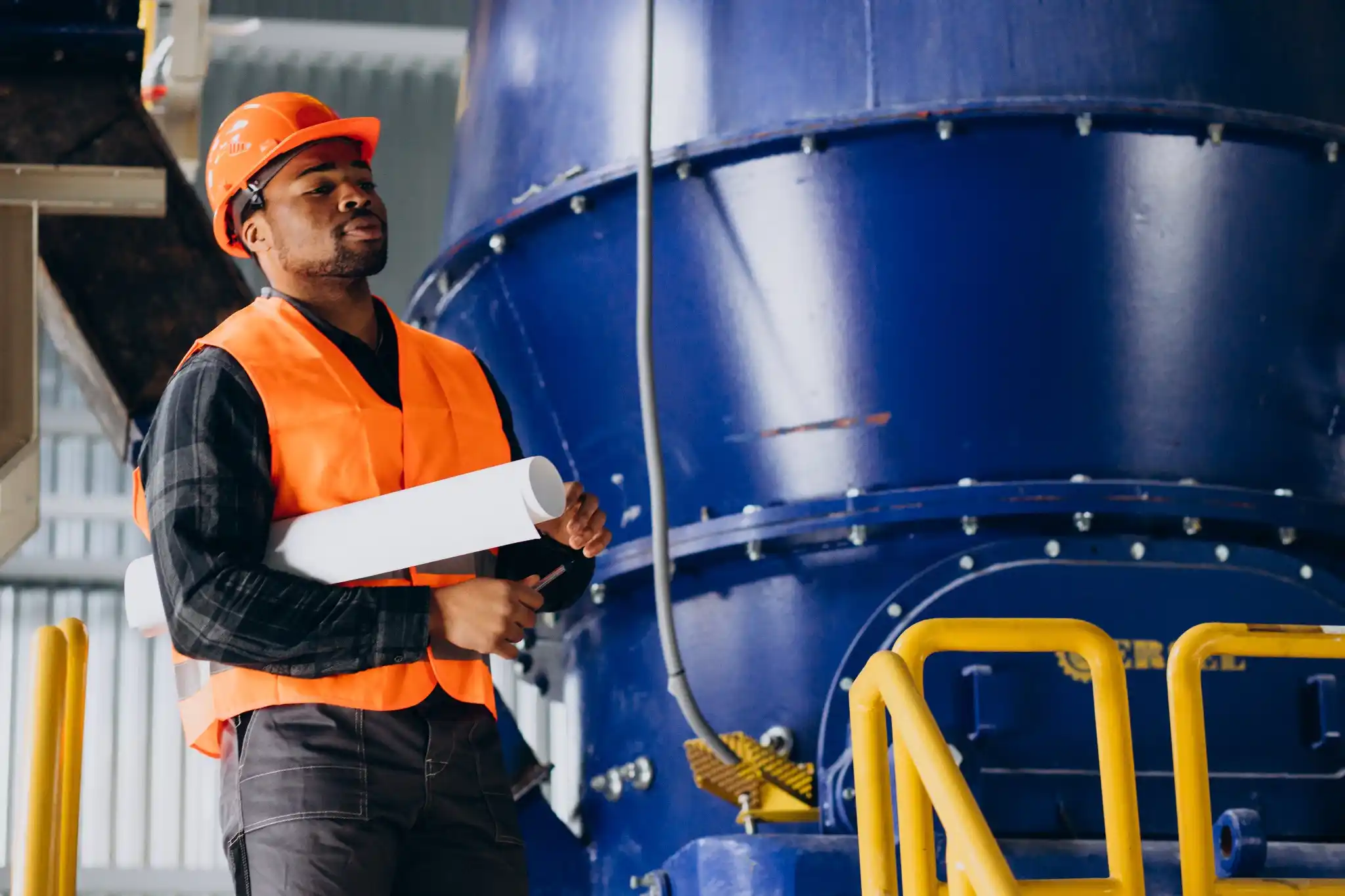
The global chemical manufacturing industry stands as one of the most vital sectors driving economic growth worldwide, with an ever-increasing demand for skilled workers from diverse backgrounds. As production facilities expand and technology advances, chemical plants across developed nations are actively seeking qualified international candidates to fill crucial positions in their operations. This comprehensive guide explores the landscape of chemical plant employment opportunities for foreign workers, providing essential insights into securing these positions, understanding requirements, and building a successful career in this dynamic field.
Understanding the Chemical Manufacturing Industry Landscape
Chemical manufacturing represents a cornerstone of modern industrial society, producing everything from basic industrial chemicals to sophisticated pharmaceutical compounds. The industry encompasses various segments including petrochemicals, specialty chemicals, agricultural chemicals, and consumer products. Each segment offers unique opportunities for international workers with different skill sets and educational backgrounds.
The current global market for chemical production exceeds four trillion dollars annually, with major production centers in North America, Europe, and Asia-Pacific regions. This massive industry requires a diverse workforce capable of operating complex equipment, maintaining safety standards, and driving innovation. International workers bring valuable perspectives, specialized knowledge, and often fill critical gaps in local labor markets.
Manufacturing facilities typically operate around the clock, requiring shift workers, maintenance personnel, quality control specialists, and supervisory staff. The continuous nature of chemical production creates steady employment opportunities with competitive compensation packages. Many facilities are located in industrial zones near major ports or transportation hubs, facilitating the movement of raw materials and finished products while creating employment clusters that benefit foreign workers seeking community support.
High-Demand Positions in Chemical Manufacturing Facilities
Chemical plant operations require various skilled professionals, each playing a crucial role in maintaining safe and efficient production. Process operators form the backbone of plant operations, monitoring equipment, adjusting controls, and ensuring production targets are met. These positions typically require technical training and attention to detail, making them ideal entry points for international workers with relevant educational backgrounds.
Maintenance technicians and instrumentation specialists keep complex machinery running smoothly, performing preventive maintenance, troubleshooting issues, and implementing repairs. These roles often command higher salaries due to their specialized nature and the critical importance of equipment reliability in continuous production environments. Foreign candidates with technical certifications or vocational training in mechanical, electrical, or instrumentation fields find numerous opportunities in these areas.
Quality control analysts and laboratory technicians ensure products meet specifications and regulatory standards. These positions require analytical skills, precision, and often specialized education in chemistry or related sciences. International professionals with laboratory experience or chemistry degrees are particularly sought after for these roles, as they bring diverse testing methodologies and quality assurance perspectives.
Safety coordinators and environmental compliance officers play increasingly important roles as regulations tighten and companies prioritize sustainable operations. These positions require knowledge of international safety standards, environmental regulations, and risk management practices. Foreign workers with experience in different regulatory environments often bring valuable insights that enhance overall plant safety culture.
Essential Qualifications and Skills for International Applicants
Educational requirements for chemical plant positions vary significantly depending on the role and level of responsibility. Entry-level operator positions may require only a high school diploma or equivalent, combined with on-the-job training. However, international candidates often benefit from having technical diplomas or associate degrees in chemical technology, process operations, or industrial maintenance, as these credentials help demonstrate competency and commitment to the field.
Professional certifications enhance employment prospects considerably. Certifications in areas such as hazardous materials handling, confined space entry, industrial safety, and specific equipment operation are highly valued. Many countries offer equivalency programs that recognize foreign certifications, though some positions may require obtaining local certifications after arrival. International candidates should research certification requirements in their target countries and begin preparation early in their job search process.
Language proficiency remains a critical factor for success in chemical plant environments where clear communication is essential for safety and efficiency. While English serves as the primary language in many international facilities, local language skills significantly improve employment prospects and workplace integration. Technical vocabulary specific to chemical processes, safety procedures, and equipment operation requires focused study beyond conversational language skills.
Physical fitness and medical clearances are standard requirements for most chemical plant positions. Workers must be capable of wearing personal protective equipment for extended periods, climbing stairs and ladders, lifting moderate weights, and responding quickly to emergency situations. International candidates should be prepared to undergo comprehensive medical examinations and drug screening as part of the employment process.
Visa Requirements and Immigration Pathways
Securing appropriate work authorization represents a crucial step for international candidates seeking chemical plant employment. Different countries offer various visa categories for skilled workers, each with specific requirements and processing timelines. Temporary work permits often provide the fastest route to employment, allowing workers to begin positions while pursuing permanent residency if desired.
Skilled worker programs in countries like Canada, Australia, and Germany specifically target professionals in high-demand industries including chemical manufacturing. These programs often feature streamlined processing, pathway to permanent residency, and provisions for family accompaniment. Understanding point-based systems, occupation lists, and eligibility criteria helps candidates position themselves effectively for selection.
Employer sponsorship frequently facilitates the visa process, with companies handling much of the paperwork and associated costs. Large chemical corporations often have dedicated human resources teams experienced in international recruitment and immigration procedures. Smaller facilities may partner with immigration attorneys or consultants to support foreign worker applications. Candidates should inquire about sponsorship availability early in the recruitment process.
Labor market impact assessments or similar requirements in many countries ensure foreign workers complement rather than displace local workforce. These assessments may require employers to demonstrate recruitment efforts among local candidates before offering positions to international workers. Understanding these requirements helps foreign candidates target positions where their skills address genuine market needs.
Salary Expectations and Compensation Packages
Compensation for chemical plant workers varies significantly based on location, experience, specific role, and facility type. Entry-level process operators in developed countries typically earn between forty thousand and sixty thousand dollars annually, with experienced operators commanding seventy thousand dollars or more. Specialized technicians and maintenance personnel often earn higher salaries, reflecting their advanced skills and critical responsibilities.
Shift differentials substantially increase base compensation for workers willing to work nights, weekends, and holidays. These premiums can add fifteen to thirty percent to base wages, making total compensation packages particularly attractive. Overtime opportunities are common in chemical manufacturing, especially during maintenance shutdowns or production pushes, providing additional income potential for motivated workers.
Comprehensive benefits packages typically accompany chemical plant positions, including health insurance, retirement contributions, and paid time off. Many employers offer additional perks such as performance bonuses, profit sharing, educational assistance, and professional development opportunities. International workers should carefully evaluate total compensation packages rather than focusing solely on base salaries when comparing opportunities.
Cost of living considerations significantly impact the real value of compensation packages. While salaries in major industrial centers may appear higher, housing, transportation, and daily expenses can consume larger portions of income. Many chemical facilities located in smaller industrial towns offer lower nominal salaries but superior purchasing power and quality of life. Researching local costs and lifestyle factors helps international workers make informed decisions about job opportunities.
Safety Standards and Workplace Culture
Chemical manufacturing maintains some of the highest safety standards among industrial sectors, with comprehensive programs designed to protect workers, communities, and environment. International workers must embrace safety-first cultures that prioritize hazard identification, risk mitigation, and continuous improvement. Regular safety training, emergency response drills, and incident investigations form routine parts of chemical plant employment.
Personal protective equipment requirements vary by work area and task but typically include safety glasses, hard hats, steel-toed boots, and chemical-resistant clothing. Respiratory protection, hearing conservation, and fall protection equipment may be required for specific activities. International workers should be prepared to consistently use protective equipment and follow safety procedures without exception.
Workplace cultures in chemical facilities often emphasize teamwork, communication, and mutual responsibility for safety. Operators work closely together during shift handovers, maintenance activities, and emergency responses. International workers who demonstrate strong collaboration skills and cultural adaptability typically integrate successfully into plant teams. Many facilities celebrate diversity and actively promote inclusive environments where workers from different backgrounds contribute their unique perspectives.
Environmental responsibility increasingly shapes chemical plant operations, with sustainability initiatives influencing daily practices. Workers participate in waste reduction programs, energy conservation efforts, and environmental monitoring activities. International candidates with experience in environmental management or sustainable manufacturing practices find their skills particularly valued as companies pursue ambitious environmental goals.
Professional Development and Career Advancement
Chemical manufacturing offers substantial opportunities for career progression, with clear pathways from entry-level positions to supervisory and management roles. Many companies provide structured training programs that combine classroom instruction with hands-on experience, enabling workers to develop comprehensive skill sets. International workers who demonstrate initiative and capability often advance rapidly within organizations.
Continuing education support helps workers pursue advanced certifications, technical degrees, and professional development courses. Many employers reimburse tuition costs for relevant educational programs, viewing employee development as investment in organizational capability. Online learning platforms and distance education options make it easier for shift workers to pursue educational goals while maintaining employment.
Cross-training opportunities allow workers to develop expertise across multiple plant areas, increasing their value and advancement potential. Operators may learn maintenance skills, laboratory techniques, or administrative functions that broaden their career options. International workers benefit particularly from cross-training as it expands their understanding of overall plant operations and American or local workplace practices.
Leadership development programs identify and prepare high-potential employees for supervisory and management positions. These programs often include mentoring, project management experience, and exposure to business operations beyond production. International workers who demonstrate leadership potential and cultural fluency often find themselves fast-tracked for advancement as companies value diverse leadership perspectives.
Application Strategies for International Candidates
Successful job searches require strategic approaches tailored to international recruitment realities. Building strong online profiles on professional networking platforms helps establish credibility and visibility to recruiters. Highlighting relevant experience, certifications, and language skills while using industry-specific keywords improves discoverability by hiring managers and recruitment agencies.
Researching target companies thoroughly demonstrates genuine interest and helps candidates tailor applications effectively. Understanding company values, recent developments, and specific facility operations enables candidates to articulate how their skills and experience align with organizational needs. Many chemical companies maintain career pages with detailed information about locations, positions, and application procedures specifically for international candidates.
Networking within professional associations and online communities creates valuable connections and insights into employment opportunities. Industry conferences, virtual events, and professional forums provide platforms for building relationships with potential employers and learning about industry trends. International workers already employed in chemical manufacturing often provide valuable guidance and referrals to newcomers.
Application materials must be carefully prepared to meet local standards and expectations. Resumes should follow regional formats, emphasizing relevant experience and qualifications while avoiding unnecessary personal information. Cover letters should clearly articulate work authorization status, availability timeline, and specific value proposition for employers. Having documents professionally reviewed by native speakers helps ensure clarity and professionalism.
Relocation Considerations and Support Systems
International relocation for chemical plant employment requires careful planning and preparation. Housing arrangements near industrial facilities may differ significantly from urban environments, with many workers choosing suburban or rural communities offering affordable family homes. Researching local housing markets, school systems, and community amenities helps families make informed relocation decisions.
Transportation planning is essential as many chemical facilities are located outside major urban centers with limited public transit options. International workers typically need to obtain local driver’s licenses and secure reliable vehicles for commuting. Some employers offer transportation assistance or coordinate car-pooling arrangements to support workers without immediate access to personal vehicles.
Banking and financial services establishment should begin immediately upon arrival to facilitate salary deposits and bill payments. Building credit history in new countries takes time but is essential for major purchases and financial flexibility. Many employers provide guidance on financial matters and may offer partnership arrangements with local banks to assist international workers.
Community integration significantly impacts job satisfaction and long-term success for international workers. Many industrial towns have established immigrant communities that provide cultural support, native language services, and social connections. Religious organizations, cultural associations, and international clubs offer valuable networks for maintaining cultural identity while adapting to new environments.
Healthcare and Insurance Navigation
Understanding healthcare systems in new countries is crucial for international workers and their families. Employment-based health insurance typically provides comprehensive coverage, but navigating provider networks, coverage limitations, and claim procedures requires careful attention. Many employers offer orientation sessions specifically addressing healthcare benefits and procedures for international workers.
Preventive care and wellness programs are increasingly emphasized in chemical industry employment packages. Regular health screenings, fitness facilities, and wellness incentives help workers maintain health despite demanding work schedules. International workers should take advantage of these programs to establish healthcare relationships and maintain optimal health.
Occupational health services at chemical facilities provide specialized care related to workplace exposures and injuries. Regular medical surveillance monitors for potential chemical exposures, ensuring early detection and intervention if needed. International workers should understand their rights regarding occupational health services and maintain careful records of any workplace health concerns.
Family healthcare needs require special consideration when evaluating employment opportunities. Dependent coverage, pediatric care access, and specialist availability vary significantly by location. International families should research local healthcare resources and ensure adequate coverage for all family members before accepting positions.
Long-term Career Sustainability and Growth
Building sustainable careers in chemical manufacturing requires continuous adaptation and skill development. Technology advancement increasingly automates routine tasks, creating demand for workers capable of managing sophisticated control systems and data analytics platforms. International workers who embrace technological change and pursue relevant training maintain competitive advantages in evolving job markets.
Professional networking within and beyond immediate employers creates opportunities for career advancement and industry mobility. Active participation in professional associations, technical committees, and industry initiatives builds reputation and expertise recognition. International workers who establish strong professional networks often find enhanced career opportunities and support during economic fluctuations.
Retirement planning considerations differ significantly across countries, with varying pension systems, contribution requirements, and benefit structures. International workers must understand how employment in different countries affects long-term retirement security. Some may need to maintain retirement accounts in multiple countries or navigate international tax treaties affecting retirement benefits.
Work-life balance in chemical manufacturing can be challenging due to shift work and overtime requirements, but many workers find the schedule flexibility advantageous. Compressed work weeks, extended time off between shift rotations, and predictable schedules allow for travel, education, and family activities. International workers often appreciate the financial stability and schedule predictability that chemical plant employment provides.
Industry Trends and Future Opportunities
Sustainability initiatives are reshaping chemical manufacturing, creating new roles in green chemistry, renewable feedstocks, and circular economy implementations. International workers with experience in sustainable manufacturing practices or environmental engineering find increasing opportunities as companies pursue carbon neutrality and waste reduction goals. These emerging areas often offer premium compensation and rapid advancement potential.
Digital transformation continues revolutionizing chemical plant operations through artificial intelligence, machine learning, and advanced analytics. Workers capable of bridging operational expertise with digital technologies are increasingly valued. International candidates with combined backgrounds in chemical operations and data science or automation find themselves particularly well-positioned for emerging hybrid roles.
Biotechnology integration into traditional chemical manufacturing creates opportunities for workers with life sciences backgrounds. Fermentation processes, enzyme catalysis, and bio-based production methods require different skill sets than traditional chemical synthesis. International workers with biotechnology experience find growing opportunities as companies diversify production technologies.
Regional manufacturing initiatives in many countries aim to strengthen domestic chemical production capabilities, creating additional opportunities for international workers. Government incentives, infrastructure investments, and strategic industry development programs support job creation in chemical manufacturing. Understanding regional development priorities helps international candidates identify emerging employment markets.
Conclusion: Building Your Chemical Manufacturing Career
Chemical plant employment offers international workers stable, well-compensated careers with clear advancement pathways and global mobility options. Success requires careful preparation, strategic positioning, and commitment to safety and continuous learning. The industry’s global nature and technical standardization facilitate international career development, allowing workers to build expertise transferable across countries and companies.
International candidates must approach chemical plant employment with realistic expectations about physical demands, safety requirements, and workplace cultures while recognizing the substantial opportunities for professional growth and financial security. The combination of technical challenges, team collaboration, and tangible production outcomes makes chemical manufacturing rewarding for workers seeking meaningful industrial careers.
As global chemical production continues expanding to meet growing demand for materials, medicines, and consumer products, opportunities for international workers will likely increase. Those who invest in relevant education, maintain high safety standards, and demonstrate cultural adaptability will find numerous pathways to successful careers in this essential industry. The chemical manufacturing sector’s commitment to diversity, innovation, and operational excellence creates an environment where international workers can thrive while contributing to global industrial progress.
The journey from international candidate to established chemical plant professional requires persistence, preparation, and strategic planning, but the rewards justify the effort. With careful research, appropriate qualifications, and strong determination, international workers can build successful, sustainable careers in chemical manufacturing while contributing their unique perspectives and skills to this vital global industry.