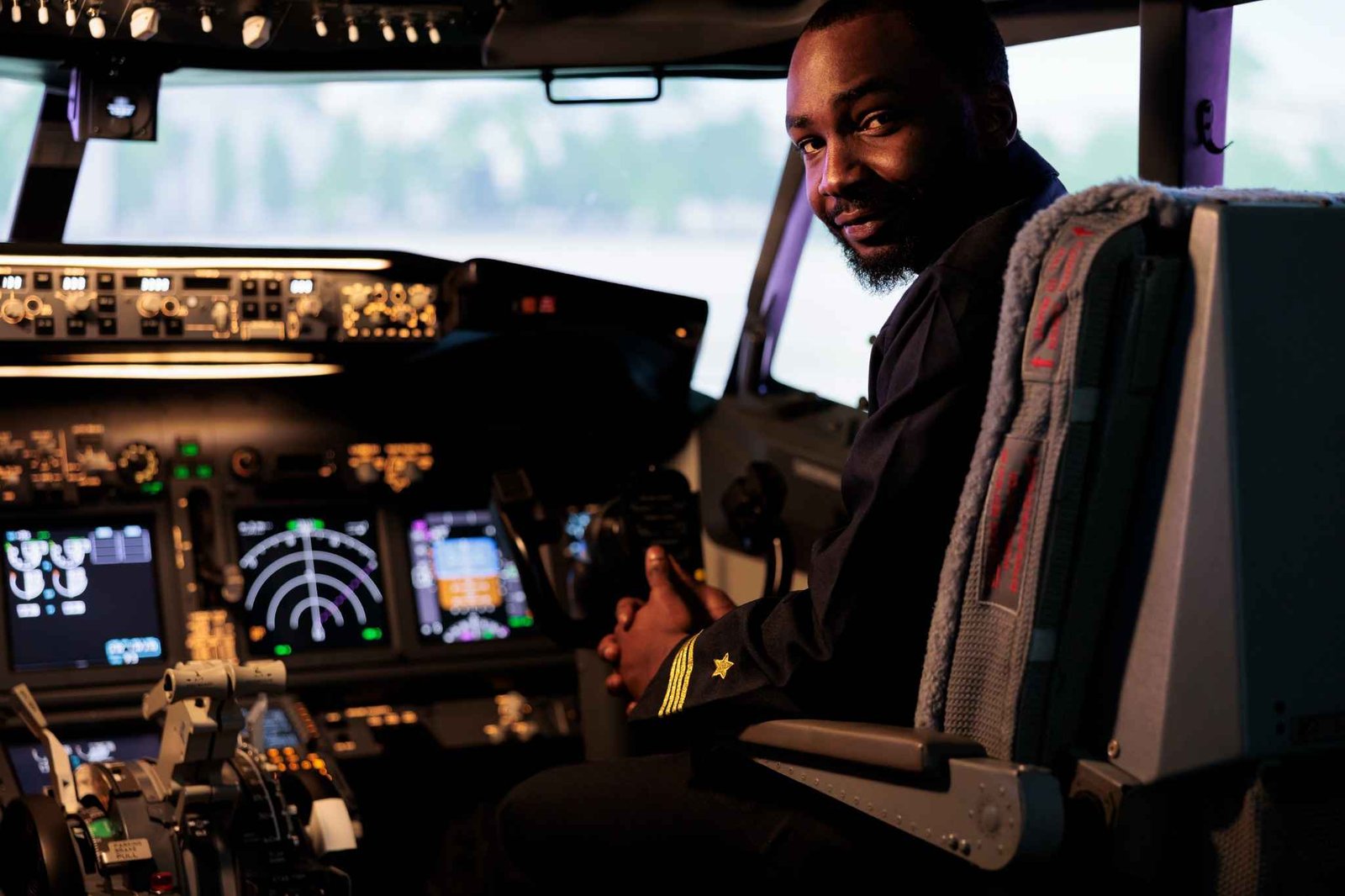
The dream of becoming a commercial airline pilot has captivated countless individuals who gaze skyward as aircraft trace their paths across the blue expanse. Today, that dream has become more attainable than ever through innovative training programs that partner directly with international airlines, creating streamlined pathways from the classroom to the cockpit of modern commercial jets. These partnerships represent a fundamental shift in how the aviation industry addresses its growing need for qualified pilots while offering aspiring aviators unprecedented opportunities for career development.
The Evolution of Professional Pilot Training in the Global Aviation Industry
The landscape of commercial pilot training has undergone remarkable transformation over the past decade. Traditional pathways that once required pilots to accumulate thousands of flight hours through various general aviation roles before reaching the airlines have given way to more structured, airline-integrated programs. This evolution responds to projections indicating that the global aviation industry will need hundreds of thousands of new pilots over the next twenty years to replace retiring aviators and meet expanding air travel demand.
International airline partnerships with flight training organizations have emerged as the industry’s answer to this challenge. These collaborative programs offer students a clear progression from initial training to employment with major carriers, removing much of the uncertainty that previously characterized aviation careers. Airlines benefit by influencing training standards from the beginning, ensuring graduates arrive prepared for their specific operational requirements and company culture.
The sophistication of modern aircraft has also driven changes in training philosophy. Today’s commercial jets feature advanced automation, electronic flight displays, and complex systems that require different skills than those emphasized in traditional training. Airline-partnered programs integrate these technological realities from day one, preparing students for the actual flying environment they’ll encounter in their careers rather than focusing solely on fundamental stick-and-rudder skills.
Financial considerations have played a crucial role in reshaping pilot training. The substantial cost of obtaining commercial pilot licenses and ratings has long been a barrier to entry for many capable candidates. Airline partnerships often include financing arrangements, conditional employment agreements, or salary advancement programs that make training more accessible to a diverse range of students who might otherwise be unable to pursue aviation careers.
Understanding Integrated Airline Transport Pilot License Programs
The Integrated Airline Transport Pilot License program represents one of the most significant innovations in commercial pilot training. Unlike traditional modular training where students complete various certificates and ratings independently, integrated programs provide a comprehensive curriculum designed specifically for airline operations. These programs typically span eighteen to twenty-four months of intensive training, combining ground school, flight training, and airline-specific preparation into a cohesive educational experience.
Students in integrated programs begin with foundational aeronautical knowledge, studying subjects like aerodynamics, meteorology, navigation, and aircraft systems. The theoretical phase often exceeds 750 hours of classroom instruction, ensuring graduates possess the deep understanding necessary for safe and efficient airline operations. This academic rigor distinguishes professional pilot training from recreational flying instruction, establishing the knowledge base that underlies all subsequent practical training.
Flight training in integrated programs follows a carefully structured syllabus that progressively builds skills and experience. Students typically begin in single-engine aircraft, mastering basic flying techniques and procedures before advancing to complex aircraft with retractable landing gear and variable-pitch propellers. Multi-engine training introduces the additional considerations of asymmetric thrust and engine failure procedures, critical skills for airline operations.
The integration of jet orientation training marks a distinctive feature of airline-partnered programs. Students gain exposure to jet aircraft operations through advanced simulation and, in some cases, actual jet aircraft flying. This early introduction to swept-wing aerodynamics, high-altitude operations, and jet engine management provides valuable preparation for type rating training on specific airline aircraft.
Competency-based training approaches have become central to integrated programs, shifting focus from accumulating flight hours to demonstrating specific skills and decision-making abilities. This methodology aligns with how airlines evaluate pilot performance, emphasizing consistent achievement of defined standards rather than simple experience accumulation. Students must demonstrate proficiency in areas like crew resource management, threat and error management, and situational awareness throughout their training progression.
Major International Airlines Leading Partnership Training Initiatives
Leading global carriers have established comprehensive training partnerships that reflect their commitment to developing future pilots. These airlines recognize that investing in pilot development from the earliest stages creates opportunities to shape training standards, establish cultural alignment, and build loyalty among future employees. The most successful partnerships combine the airline’s operational expertise with established training providers’ educational capabilities.
European carriers have pioneered many innovative partnership models, with several major airlines establishing their own flight training academies or maintaining exclusive relationships with selected training organizations. These programs often guarantee employment upon successful completion, providing students with career certainty that traditional training paths cannot match. The structured progression from training to line operations ensures smooth integration into airline operations, reducing the adaptation period typically required for new pilots.
Middle Eastern airlines, experiencing rapid expansion over the past two decades, have developed extensive cadet programs that recruit candidates globally. These partnerships often include fully sponsored training, with airlines covering all educational costs in exchange for committed service periods. The international nature of these programs creates unique opportunities for cultural exchange and prepares pilots for the diverse operational environments characteristic of global aviation.
Asian carriers face particularly acute pilot shortages due to explosive air travel growth in the region. Their partnership programs often emphasize accelerated training timelines and may include provisions for type rating training on specific aircraft models before students complete their base training. This approach reflects the urgent operational needs of rapidly expanding airlines while maintaining safety standards through comprehensive training and evaluation processes.
North American airlines have increasingly embraced partnership models, particularly as regional pilot shortages have created challenges for maintaining service to smaller communities. Flow-through agreements with regional carriers and partnerships with collegiate aviation programs create defined pathways from initial training to major airline employment. These arrangements often include tuition reimbursement programs and guaranteed interviews, making aviation careers more financially viable for aspiring pilots.
Flight Academy Selection Criteria and Admission Requirements
Selecting the right flight training academy within an airline partnership program requires careful evaluation of multiple factors. Prospective students must consider not only the quality of training but also the specific terms of airline partnerships, financial arrangements, and long-term career implications. The decision process should begin with thorough research into each program’s structure, outcomes, and alignment with individual career goals.
Academic prerequisites vary among programs but typically include completion of secondary education with strong performance in mathematics and physics. English proficiency requirements reflect the international nature of aviation, with most programs requiring demonstration of advanced language skills through standardized testing. Some airlines mandate specific nationality or residency requirements based on regulatory considerations or operational needs.
Medical fitness standards for airline partnership programs mirror those required for commercial pilot certification. Candidates must pass comprehensive medical examinations that evaluate vision, hearing, cardiovascular health, and psychological fitness. The stringent medical requirements reflect the critical safety responsibilities pilots assume and the need for sustained health throughout potentially decades-long careers. Prospective students should obtain medical clearance before committing to training programs to avoid disappointment after investing time and resources.
The selection process often includes aptitude testing designed to evaluate cognitive abilities, spatial reasoning, and multitasking capabilities essential for pilot performance. These assessments might include computerized tests, simulator evaluations, and group exercises that reveal teamwork and communication skills. Airlines use these evaluations to identify candidates with the greatest potential for success in their specific operational environment.
Personal attributes play a crucial role in selection decisions. Airlines seek candidates who demonstrate maturity, responsibility, and commitment to professional development. The ability to work effectively in multicultural environments has become increasingly important as airlines operate globally with diverse crew compositions. Leadership potential and decision-making capabilities under pressure are evaluated through structured interviews and assessment center activities.
Comprehensive Curriculum Structure and Training Phases
The curriculum of airline-integrated pilot training programs follows a systematic progression designed to build competencies incrementally while maintaining strong connections between theoretical knowledge and practical application. The structure typically divides into distinct phases, each with specific learning objectives and performance standards that students must achieve before advancing.
Ground school instruction forms the foundation of professional pilot education, typically occupying the first several months of training. Students immerse themselves in aviation theory, studying fourteen subject areas mandated by international aviation authorities. Aerodynamics instruction goes beyond basic principles to include high-speed flight characteristics and swept-wing behavior relevant to jet operations. Navigation training encompasses both traditional techniques and modern area navigation procedures using global positioning systems and flight management computers.
Aircraft systems knowledge extends from basic piston engine operation to complex turbine engines and sophisticated avionics suites. Students learn normal and abnormal procedures for various aircraft types, developing systematic approaches to managing complex technical systems. Human factors training addresses physiological and psychological aspects of flight, including fatigue management, crew coordination, and decision-making under stress.
The flight training phase begins with approximately 200 hours of actual flying, starting in single-engine aircraft where students master fundamental flying skills. Progressive training introduces increasingly complex maneuvers and emergency procedures, building confidence and competence systematically. Instrument flight training develops the ability to operate solely by reference to flight instruments, essential for airline operations in various weather conditions.
Multi-engine training introduces additional complexity through asymmetric thrust considerations and more sophisticated systems management. Students learn to handle engine failures, operate at higher altitudes, and manage faster, more complex aircraft. This phase bridges the gap between basic training aircraft and airline operations, introducing concepts and procedures directly applicable to commercial flying.
Advanced upset recovery training has become a mandatory component following several high-profile accidents attributed to loss of control. Students experience unusual attitudes and recovery techniques in both actual aircraft and sophisticated simulators, developing automatic responses to potentially dangerous situations. This training emphasizes recognition of developing upset conditions and appropriate intervention before situations become critical.
State-of-the-Art Simulation Technology and Practical Flight Experience
Modern flight simulation technology has revolutionized pilot training, providing safe, cost-effective methods for developing and evaluating critical skills. Full-flight simulators replicate specific aircraft types with such fidelity that regulatory authorities approve their use for most training and checking requirements. These devices reproduce not only the physical sensations of flight but also the visual, auditory, and motion cues pilots experience in actual aircraft.
Airline partnership programs typically incorporate extensive simulator training throughout the curriculum. Initial simulation exposure might involve flight training devices that replicate generic aircraft characteristics, allowing students to practice procedures and develop instrument scanning techniques. As training progresses, students advance to full-flight simulators representing specific aircraft types they’ll operate in airline service.
The integration of simulator training with actual flight experience creates optimal learning conditions. Students can practice emergency procedures and abnormal situations in simulators that would be too dangerous or impractical to replicate in actual aircraft. This includes engine failures, system malfunctions, and extreme weather encounters that pilots must be prepared to handle despite their rarity in actual operations.
Line-oriented flight training conducted in simulators prepares students for the realities of airline operations. These sessions replicate complete flights from departure to arrival, including normal procedures, air traffic control communications, and realistic operational challenges. Students learn to manage workload, prioritize tasks, and maintain situational awareness while dealing with time pressure and operational constraints typical of airline flying.
Virtual reality and augmented reality technologies are beginning to supplement traditional training methods. These tools provide immersive learning experiences for procedural training, cockpit familiarization, and scenario-based exercises. While not replacing actual flight or full-simulation training, these technologies offer additional practice opportunities and can accelerate learning through repeated exposure to critical procedures.
Type Rating Training and Aircraft-Specific Qualifications
Type rating training represents the culmination of airline-integrated pilot programs, qualifying graduates to operate specific aircraft models in commercial service. This intensive training phase typically spans six to eight weeks and combines theoretical instruction with extensive simulator practice. Airlines often conduct type rating training in-house or at manufacturer training facilities, ensuring standardization and alignment with company procedures.
The ground school portion of type rating training delves deep into aircraft-specific systems, limitations, and performance characteristics. Students study electrical, hydraulic, pneumatic, and avionics systems in detail, understanding both normal operation and failure modes. Performance calculations for various weight and weather conditions become second nature, as do memory items for emergency procedures that must be accomplished without reference to checklists.
Simulator training for type ratings progresses through carefully structured phases. Initial sessions focus on normal procedures and aircraft handling characteristics, allowing students to develop comfort with the specific aircraft type. Subsequent sessions introduce abnormal and emergency procedures, building proficiency in managing various failure scenarios. The training emphasizes crew coordination and standard operating procedures specific to the airline’s operations.
Line training under supervision represents the final phase before pilots assume regular flying duties. New pilots operate actual revenue flights alongside experienced training captains who provide guidance and evaluation. This phase typically encompasses between 50 and 100 flight hours, during which pilots experience the full range of operational considerations including passenger service, schedule adherence, and real-world decision-making.
Recurrent training requirements ensure pilots maintain proficiency throughout their careers. Airlines conduct regular simulator sessions and knowledge assessments to verify continued competence and introduce new procedures or technologies. This commitment to continuous training reflects aviation’s safety culture and the recognition that initial qualification represents only the beginning of professional development.
Financial Investment and Funding Options for Aspiring Pilots
The financial commitment required for commercial pilot training through airline partnership programs represents a significant investment in future career prospects. Total costs can range from modest amounts for fully sponsored programs to substantial six-figure investments for self-funded training. Understanding the various funding mechanisms and their long-term implications is crucial for making informed decisions about training options.
Fully sponsored cadet programs, offered primarily by Middle Eastern and some Asian carriers, cover all training costs in exchange for service commitments typically ranging from five to seven years. These programs provide the most accessible path for candidates who lack financial resources but possess the necessary aptitude and motivation. The bonding periods ensure airlines recover their training investments while providing pilots with guaranteed employment and career progression.
Partially sponsored programs require students to contribute to training costs, with airlines providing subsidies, loans, or guaranteed employment that justifies the investment. These arrangements might include salary deductions during initial years of employment or reduced pay rates until training costs are recovered. The shared investment model aligns student and airline interests while making training more accessible than fully self-funded options.
Educational loans specifically designed for pilot training have become increasingly available as financial institutions recognize the strong employment prospects for qualified pilots. These loans often feature grace periods during training and income-based repayment plans that accommodate the salary progression typical of airline careers. Some lenders partner with specific training organizations or airlines, offering preferential terms for students in recognized programs.
Scholarship opportunities exist through various aviation organizations, airlines, and training institutions. While rarely covering full training costs, scholarships can significantly reduce financial burden and may provide networking opportunities valuable for career development. Competition for scholarships is typically intense, requiring strong academic performance, demonstrated commitment to aviation, and often specific demographic or geographic qualifications.
Career Progression and Long-Term Opportunities
The career trajectory for pilots graduating from airline partnership programs typically follows predictable progressions that offer both stability and advancement opportunities. Understanding these pathways helps aspiring pilots set realistic expectations and make informed decisions about training investments and airline selection.
Initial positions usually involve serving as first officers on narrow-body aircraft operating domestic or regional routes. This phase allows new pilots to develop operational experience while flying with experienced captains who provide mentorship and guidance. The duration of this initial assignment varies based on airline growth, retirements, and individual performance but typically spans three to five years.
Progression to wide-body aircraft or captain positions depends on seniority systems prevalent in most airlines. Partnership program graduates often benefit from accelerated advancement due to their early entry into airline seniority lists. The structured nature of these programs also means graduates are well-prepared for upgrade training, having received consistent preparation throughout their initial education.
International flying opportunities become available as pilots gain experience and seniority. Long-haul operations offer different challenges and rewards, including exposure to diverse operational environments, extended duty periods, and the prestige associated with commanding intercontinental flights. Many pilots consider international flying the pinnacle of their careers, combining technical challenges with the opportunity to experience different cultures.
Beyond line flying, experienced pilots can pursue specialized roles within their airlines or the broader aviation industry. Training captain positions allow pilots to shape the next generation while maintaining flying currencies. Management roles in flight operations, safety departments, or airline administration provide opportunities to influence policy and strategic direction. Some pilots transition to regulatory positions, accident investigation, or consulting, leveraging their operational experience in different contexts.
Regulatory Frameworks and International Aviation Standards
Commercial pilot training operates within complex regulatory frameworks established by national aviation authorities and international organizations. Understanding these regulations is essential for aspiring pilots, as they define training requirements, establish performance standards, and determine career possibilities across different jurisdictions.
The International Civil Aviation Organization establishes global standards that member states implement through national regulations. These standards ensure general consistency in pilot qualifications worldwide, facilitating international operations and pilot mobility. However, significant variations exist in specific requirements, training methodologies, and certification processes among different countries.
License conversion processes allow pilots trained in one country to obtain credentials in another, though requirements vary significantly. Some countries maintain mutual recognition agreements that simplify conversions, while others require extensive additional training or examination. Pilots in international partnership programs should understand how their qualifications transfer across jurisdictions, particularly if career plans include potential relocation.
Regulatory changes continue to shape pilot training requirements. Enhanced upset recovery training, mental health assessments, and evidence-based training methodologies reflect lessons learned from accident investigations and advancing understanding of human factors. Staying current with regulatory developments is crucial for training organizations and individual pilots alike.
The implementation of competency-based training and assessment represents a significant shift in regulatory philosophy. Rather than prescriptive hour requirements, regulators increasingly focus on demonstrated competencies and performance standards. This approach allows more flexibility in training design while maintaining or enhancing safety standards through objective performance measurement.
Conclusion: Charting Your Course in Commercial Aviation
The transformation of commercial pilot training through airline partnerships represents a fundamental evolution in how the aviation industry develops its most critical resource: qualified pilots. These programs offer unprecedented opportunities for aspiring aviators to pursue careers that were once accessible only to those with military backgrounds or substantial financial resources. The structured pathways from classroom to cockpit provide clarity and confidence in an industry that historically offered little certainty for those investing in expensive training.
Success in airline partnership programs requires more than technical proficiency. The most successful pilots combine strong academic capabilities with interpersonal skills, cultural awareness, and commitment to continuous learning. The investment of time, effort, and financial resources pays dividends through careers that offer competitive compensation, global travel opportunities, and the satisfaction of mastering one of humanity’s most remarkable achievements.
As the aviation industry continues evolving with technological advancement, environmental considerations, and changing passenger expectations, the role of commercial pilots will adapt accordingly. However, the fundamental appeal of aviation careers – the combination of technical challenge, responsibility, and the privilege of flight – remains constant. For those called to the skies, airline partnership training programs provide the most direct path to fulfilling those aspirations.
The global nature of modern aviation means today’s pilots must be prepared for careers that transcend national boundaries and cultural divisions. International airline partnerships inherently prepare graduates for this reality, creating pilots who are not just technically proficient but also culturally competent global citizens. This preparation becomes increasingly valuable as airlines expand their international networks and seek pilots capable of representing their brands worldwide.
For those considering commercial aviation careers, the message is clear: the industry needs qualified, dedicated pilots and has created innovative training pathways to develop them. The combination of structured training, guaranteed employment, and clear career progression offered by airline partnerships removes many traditional barriers to entry. While the journey demands dedication and sacrifice, the rewards – both tangible and intangible – justify the investment for those truly committed to professional aviation careers.