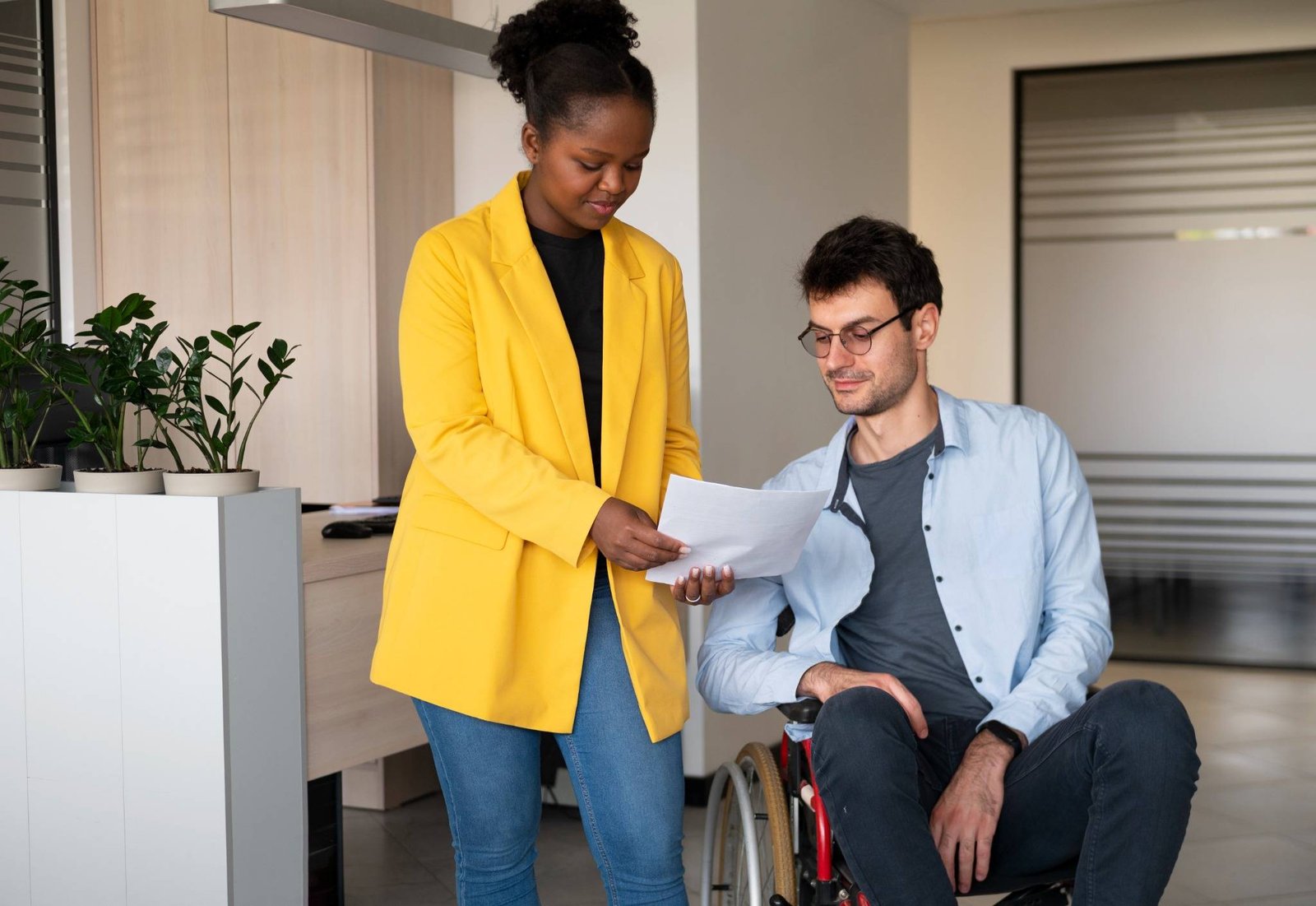
The healthcare sector in Australia continues to experience remarkable growth, creating abundant opportunities for skilled international workers seeking meaningful careers in rehabilitation and allied health services. Among these opportunities, rehabilitation aide positions stand out as accessible entry points into Australia’s world-class healthcare system, offering both professional development and the possibility of visa sponsorship for qualified international candidates.
Understanding the Role of Rehabilitation Aides in Australian Healthcare
Rehabilitation aides, also known as therapy assistants or allied health assistants, play an essential supporting role in Australia’s comprehensive healthcare delivery system. These professionals work alongside physiotherapists, occupational therapists, speech pathologists, and other rehabilitation specialists to help patients recover from injuries, manage chronic conditions, and improve their quality of life. The position serves as a crucial bridge between medical professionals and patients, ensuring that treatment plans are implemented effectively and compassionately.
In the Australian healthcare context, rehabilitation aides contribute to various settings including public hospitals, private rehabilitation centers, aged care facilities, community health centers, and disability support services. Their responsibilities typically encompass assisting with therapeutic exercises, preparing treatment areas, documenting patient progress, helping patients with mobility aids, and providing emotional support throughout the recovery journey. This multifaceted role requires a unique combination of technical knowledge, interpersonal skills, and cultural sensitivity, making it particularly suitable for motivated international workers who bring diverse perspectives to patient care.
The demand for rehabilitation support workers has intensified significantly across Australia, driven by an aging population, increased awareness of rehabilitation benefits, and the expansion of disability support services under the National Disability Insurance Scheme. This growing demand has prompted many Australian healthcare employers to look beyond domestic talent pools, actively recruiting qualified international professionals through various visa sponsorship programs.
Visa Sponsorship Pathways for International Rehabilitation Workers
Australia offers several visa pathways for international rehabilitation aides seeking to establish their careers in the country. The Temporary Skill Shortage visa, commonly known as the TSS or subclass 482 visa, represents one of the most common routes for healthcare workers. This visa allows Australian employers to sponsor skilled workers when they cannot find suitable Australian candidates for specific positions. For rehabilitation aides, this pathway typically requires relevant qualifications, work experience, and English language proficiency.
The Employer Nomination Scheme, or subclass 186 visa, provides another valuable pathway for those seeking permanent residency. This visa category enables Australian employers to sponsor skilled workers for permanent positions, offering long-term stability and the opportunity to build a life in Australia. Many rehabilitation aides initially enter Australia on temporary visas before transitioning to permanent residency through employer sponsorship, demonstrating the progression opportunities available in this field.
Regional visa options present particularly attractive opportunities for rehabilitation aides willing to work in rural and remote areas of Australia. The Regional Sponsored Migration Scheme and various state-specific programs often have more flexible requirements and faster processing times, reflecting the acute need for healthcare workers in regional communities. These positions frequently offer additional benefits such as housing assistance, professional development funding, and accelerated pathways to permanent residency.
Working holiday visas provide another entry point for younger international candidates from eligible countries. While these visas have limitations on employment duration with single employers, they offer valuable opportunities to gain Australian healthcare experience, establish professional networks, and potentially secure sponsorship for longer-term visa arrangements. Many successful rehabilitation aides have begun their Australian careers through working holiday programs before transitioning to sponsored positions.
Qualifications and Skills Requirements for Rehabilitation Aide Positions
Australian employers seeking rehabilitation aides typically require candidates to hold relevant qualifications in allied health assistance, disability support, or related fields. Certificate III or IV in Allied Health Assistance represents the standard qualification for many positions, though employers may consider equivalent international qualifications or relevant healthcare experience. These qualifications ensure that rehabilitation aides possess foundational knowledge in anatomy, therapeutic techniques, infection control, and professional ethics.
Beyond formal qualifications, successful rehabilitation aides demonstrate strong interpersonal and communication skills essential for working with diverse patient populations. The ability to communicate effectively in English remains paramount, as rehabilitation aides must accurately follow treatment protocols, document patient information, and collaborate with multidisciplinary healthcare teams. Most visa sponsorship arrangements require candidates to demonstrate English proficiency through recognized tests such as IELTS, PTE, or OET.
Physical fitness and stamina constitute important considerations for rehabilitation aide positions, as the role often involves assisting with patient transfers, supporting mobility exercises, and maintaining active engagement throughout demanding shifts. Employers value candidates who demonstrate resilience, adaptability, and the physical capability to perform essential job functions safely and effectively.
Cultural competence and sensitivity emerge as increasingly important attributes in Australia’s multicultural healthcare environment. Rehabilitation aides work with patients from diverse cultural backgrounds, requiring awareness of different cultural perspectives on health, disability, and rehabilitation. International candidates often bring valuable cultural insights that enhance their ability to connect with diverse patient populations and contribute to culturally responsive care delivery.
Technical skills related to healthcare documentation, basic computer literacy, and familiarity with assistive technologies increasingly feature in job requirements. As Australian healthcare facilities adopt digital health records and technology-enabled rehabilitation tools, rehabilitation aides must demonstrate comfort with technology and willingness to engage with ongoing technological developments in healthcare delivery.
Employment Settings and Specialization Opportunities
Public hospitals across Australia employ significant numbers of rehabilitation aides within their rehabilitation medicine departments, orthopedic wards, and neurological units. These positions offer exposure to acute care rehabilitation, working with patients recovering from surgeries, strokes, traumatic injuries, and other medical events requiring intensive rehabilitation support. Public sector employment often provides comprehensive benefits packages, professional development opportunities, and clear career progression pathways within large healthcare organizations.
Private rehabilitation facilities and day hospitals represent another major employment sector for rehabilitation aides. These specialized facilities focus exclusively on rehabilitation services, offering intensive therapy programs for patients with specific conditions such as spinal cord injuries, brain injuries, or complex orthopedic conditions. Working in private rehabilitation settings often provides opportunities for specialization and advanced skill development in particular areas of rehabilitation practice.
Aged care facilities throughout Australia increasingly recognize the value of dedicated rehabilitation support to maintain resident mobility, independence, and quality of life. Rehabilitation aides in aged care settings work with elderly residents managing age-related conditions, recovery from falls or fractures, and chronic disease management. This sector offers stable employment opportunities and the satisfaction of building long-term relationships with residents and their families.
Community rehabilitation services provide opportunities for rehabilitation aides to work in patients’ homes and community settings, supporting individuals to achieve rehabilitation goals within their daily living environments. This work requires independence, problem-solving skills, and the ability to adapt rehabilitation techniques to diverse home environments. Community-based positions often offer greater autonomy and variety in daily work experiences.
Pediatric rehabilitation services seek rehabilitation aides passionate about working with children experiencing developmental delays, disabilities, or recovering from injuries. These specialized positions require additional skills in engaging children through play-based therapy approaches, communicating with families, and collaborating with educational teams. Pediatric rehabilitation offers uniquely rewarding experiences supporting children to reach developmental milestones and maximize their potential.
Mental health and psychosocial rehabilitation services increasingly incorporate rehabilitation aides into their care teams, recognizing the importance of physical activity, occupational engagement, and social participation in mental health recovery. These positions combine physical rehabilitation support with psychosocial interventions, requiring additional training in mental health awareness and trauma-informed care approaches.
Salary Expectations and Career Progression Pathways
Rehabilitation aides in Australia can expect competitive salaries that vary based on location, experience, specialization, and employment sector. Entry-level positions typically offer annual salaries ranging from AUD 45,000 to 55,000, with experienced rehabilitation aides earning between AUD 55,000 and 70,000 annually. Positions in regional areas often include additional allowances and benefits to attract qualified professionals to underserved communities.
Career progression opportunities abound for motivated rehabilitation aides seeking to advance their professional standing. Many rehabilitation aides pursue further education while working, completing bachelor’s degrees in physiotherapy, occupational therapy, or other allied health disciplines. Australian employers often support staff development through study leave, financial assistance, and flexible working arrangements to accommodate educational pursuits.
Senior rehabilitation aide positions offer increased responsibilities in areas such as staff training, program coordination, and specialized service delivery. These advanced roles command higher salaries and provide opportunities to influence service delivery and mentor junior staff members. Some rehabilitation aides transition into allied health assistant coordinator roles, overseeing teams of support workers and contributing to service planning and quality improvement initiatives.
The transition from rehabilitation aide to qualified allied health professional represents a common career trajectory supported by many Australian employers. Through recognition of prior learning programs and pathway courses, experienced rehabilitation aides can leverage their practical experience toward professional qualifications. This progression pathway offers significant salary increases and expanded scope of practice as registered healthcare professionals.
Specialization in specific areas of rehabilitation practice opens doors to niche roles with enhanced remuneration and professional satisfaction. Rehabilitation aides may develop expertise in areas such as hand therapy assistance, neurological rehabilitation support, or assistive technology implementation. These specialized skills increase marketability and often lead to consultancy opportunities or positions with equipment suppliers and rehabilitation technology companies.
Regional Opportunities and Lifestyle Considerations
Regional and rural Australia offers exceptional opportunities for international rehabilitation aides seeking visa sponsorship and accelerated career progression. Healthcare facilities in regional areas actively recruit international workers, offering attractive employment packages that may include accommodation assistance, relocation support, and professional development funding. The demand for rehabilitation services in regional communities often exceeds supply, creating favorable conditions for international professionals seeking sponsorship.
Living in regional Australia provides unique lifestyle benefits including lower living costs, strong community connections, and access to natural environments. Many regional centers offer vibrant cultural scenes, excellent educational facilities, and diverse recreational opportunities while maintaining a relaxed pace of life. For families, regional communities often provide safe environments, quality schools, and supportive community networks that facilitate successful settlement.
Professional development opportunities in regional settings often exceed those available in metropolitan areas, as smaller healthcare teams provide broader exposure to different aspects of rehabilitation practice. Rehabilitation aides in regional facilities frequently work across multiple clinical areas, developing versatile skill sets and establishing themselves as valuable team members. This breadth of experience proves invaluable for career advancement and future specialization decisions.
State governments actively support international healthcare workers choosing regional employment through various incentive programs and support services. These initiatives may include subsidized accommodation, additional leave entitlements, and bonuses for completing specified service periods in designated areas. Some states offer streamlined visa nomination processes for healthcare workers committed to regional employment, reducing processing times and administrative burdens.
The professional networks developed in regional communities often prove more accessible and supportive than those in larger cities. Healthcare professionals in regional areas frequently collaborate across disciplines and organizations, creating opportunities for mentorship, professional development, and career advancement. These close-knit professional communities provide valuable support for international workers navigating Australian healthcare systems and cultural adaptation.
Application Strategies and Interview Preparation
Successfully securing rehabilitation aide positions with visa sponsorship requires strategic application approaches tailored to Australian employment practices. Candidates should craft comprehensive applications highlighting relevant qualifications, practical experience, and transferable skills aligned with Australian healthcare standards. Cover letters should explicitly address visa requirements and demonstrate understanding of Australian healthcare contexts, rehabilitation philosophies, and professional expectations.
Resume formatting according to Australian conventions enhances application success rates. Australian employers expect clear, concise resumes emphasizing recent relevant experience, quantifiable achievements, and professional development activities. Including evidence of English language proficiency, cultural adaptation experiences, and commitment to long-term employment in Australia strengthens applications for sponsored positions.
Interview preparation should encompass both technical knowledge and cultural awareness relevant to Australian healthcare delivery. Candidates should familiarize themselves with Australian healthcare systems, including Medicare, the National Disability Insurance Scheme, and aged care quality standards. Demonstrating knowledge of Australian rehabilitation approaches, professional boundaries, and ethical frameworks impresses potential employers and indicates readiness for Australian practice.
Practical scenario discussions frequently feature in rehabilitation aide interviews, assessing candidates’ clinical reasoning, problem-solving abilities, and interpersonal skills. Preparing examples that demonstrate patient-centered care, teamwork, cultural sensitivity, and professional development commitment helps candidates articulate their suitability for positions. International candidates should be ready to discuss adaptation strategies, motivation for working in Australia, and long-term career aspirations.
Video interviews have become standard for international recruitment, requiring candidates to ensure technical preparedness and professional presentation through digital platforms. Practicing video interview techniques, ensuring reliable internet connections, and creating professional backgrounds contribute to successful remote interview experiences. Candidates should also prepare questions about sponsorship processes, workplace culture, and professional development opportunities to demonstrate genuine interest and engagement.
Professional Development and Continuing Education Opportunities
Australia’s healthcare sector strongly emphasizes continuous professional development, providing extensive opportunities for rehabilitation aides to enhance their skills and advance their careers. Professional development programs range from workplace-based training initiatives to formal educational qualifications, supporting rehabilitation aides at various career stages. Employers typically allocate professional development budgets and study leave entitlements, recognizing the value of ongoing skill development for service quality and staff retention.
Industry conferences, workshops, and seminars offer valuable learning opportunities and professional networking platforms for rehabilitation aides. Major cities host regular allied health conferences featuring international speakers, research presentations, and practical skill workshops. Participation in these events enhances professional knowledge, exposes participants to innovative rehabilitation techniques, and facilitates connections with industry leaders and potential mentors.
Online learning platforms have revolutionized professional development accessibility for rehabilitation aides across Australia. Universities, professional associations, and training organizations offer extensive online course catalogs covering specialized rehabilitation topics, professional skills development, and career advancement strategies. These flexible learning options accommodate work schedules and geographical constraints while maintaining high educational standards.
Specialty certification programs enable rehabilitation aides to develop recognized expertise in specific practice areas. Certifications in areas such as manual handling instruction, dementia care, or pediatric therapy assistance enhance employability and may lead to specialized roles with increased responsibilities and remuneration. Many certification programs offer recognition of prior learning pathways, acknowledging international experience and qualifications.
Mentorship programs connect rehabilitation aides with experienced professionals who provide guidance, support, and career development advice. Formal mentorship arrangements through professional associations or workplace programs offer structured professional development experiences. Informal mentorship relationships developed through professional networks equally contribute to career advancement and successful integration into Australian healthcare environments.
Cultural Integration and Workplace Success Strategies
Successfully integrating into Australian healthcare workplaces requires understanding and adapting to local workplace cultures while maintaining professional authenticity. Australian healthcare environments typically feature flat organizational structures, encouraging open communication across hierarchical levels. Rehabilitation aides are expected to contribute ideas, raise concerns, and participate actively in team discussions, regardless of seniority or experience levels.
Workplace communication in Australia tends toward informality while maintaining professional boundaries. Colleagues often use first names, engage in casual conversation, and incorporate humor into workplace interactions. Understanding appropriate communication styles, including when formality is required, helps international rehabilitation aides build positive workplace relationships and establish themselves as valued team members.
Patient interaction styles in Australia emphasize partnership, informed consent, and patient autonomy in healthcare decisions. Rehabilitation aides must balance professional expertise with respect for patient preferences, supporting informed decision-making rather than directing patient choices. This collaborative approach may differ from healthcare delivery models in other countries, requiring conscious adaptation for international workers.
Professional boundaries and ethical considerations in Australian healthcare reflect specific cultural values and legal frameworks. Understanding mandatory reporting obligations, privacy legislation, and professional conduct standards ensures compliance with Australian healthcare requirements. International rehabilitation aides should familiarize themselves with relevant professional codes, workplace policies, and legislative requirements governing their practice.
Building professional networks within and beyond immediate workplaces accelerates career development and cultural integration for international rehabilitation aides. Joining professional associations, participating in workplace social activities, and engaging with community groups creates support networks extending beyond professional relationships. These connections provide practical assistance with settlement challenges, career advice, and social support essential for successful long-term establishment in Australia.
Future Outlook and Emerging Opportunities
The future for rehabilitation aides in Australia appears exceptionally promising, with demographic trends, policy initiatives, and healthcare innovations driving sustained demand for skilled professionals. Australia’s aging population will continue requiring extensive rehabilitation services, creating ongoing employment opportunities across aged care, community rehabilitation, and hospital settings. Population projections suggest that demand for rehabilitation support workers will grow substantially over the coming decades.
Technological advancements in rehabilitation practice create new opportunities for technically skilled rehabilitation aides comfortable with digital health solutions. Virtual reality rehabilitation systems, robotic-assisted therapy devices, and telehealth platforms increasingly feature in Australian rehabilitation services. Rehabilitation aides who develop expertise in rehabilitation technologies position themselves advantageously for emerging roles in technology-enabled care delivery.
The expansion of mental health services and psychosocial support programs generates additional opportunities for rehabilitation aides interested in holistic healthcare approaches. Integration of physical and mental health services recognizes the interconnected nature of wellbeing, requiring rehabilitation aides who can support comprehensive recovery approaches. This evolving service model creates new positions combining traditional rehabilitation support with psychosocial interventions.
Environmental sustainability initiatives within healthcare organizations present opportunities for rehabilitation aides to contribute to green healthcare practices. Sustainable rehabilitation approaches, including nature-based interventions and environmentally conscious service delivery, align with Australia’s commitment to environmental responsibility. Rehabilitation aides championing sustainable practices may find unique career opportunities in innovative healthcare organizations.
The growing emphasis on preventive healthcare and health promotion expands the scope of rehabilitation aide roles beyond traditional rehabilitation settings. Community health initiatives, workplace wellness programs, and population health interventions increasingly incorporate rehabilitation professionals in preventive capacities. These emerging roles offer variety, community engagement, and opportunities to impact population health outcomes.
Conclusion: Building a Rewarding Career in Australian Healthcare
Pursuing a career as a rehabilitation aide in Australia with visa sponsorship represents a significant life decision offering professional fulfillment, career advancement opportunities, and the chance to contribute meaningfully to Australian society. The combination of strong employment demand, supportive immigration pathways, and comprehensive professional development opportunities creates favorable conditions for international healthcare workers seeking to establish themselves in Australia.
Success in securing and maintaining sponsored rehabilitation aide positions requires careful preparation, strategic planning, and commitment to ongoing professional development. Understanding Australian healthcare systems, workplace cultures, and professional expectations facilitates smooth transitions into Australian practice. International rehabilitation aides who embrace learning opportunities, build professional networks, and demonstrate commitment to Australian communities position themselves for long-term success and career satisfaction.
The diverse employment settings, specialization opportunities, and clear progression pathways available to rehabilitation aides ensure that motivated professionals can craft fulfilling careers aligned with their interests and aspirations. Whether working in bustling metropolitan hospitals or close-knit regional communities, rehabilitation aides contribute essentially to Australian healthcare delivery while building rewarding professional lives.
As Australia continues investing in rehabilitation services and addressing healthcare workforce challenges, international rehabilitation aides will play increasingly important roles in service delivery. Those who seize current opportunities to establish themselves in Australian healthcare can anticipate stable employment, professional growth, and the satisfaction of supporting individuals through their rehabilitation journeys while building their own successful futures in Australia.